$ cat post/on-y2k-aftermath-and-linux's-steady-climb.md
On Y2K Aftermath and Linux's Steady Climb
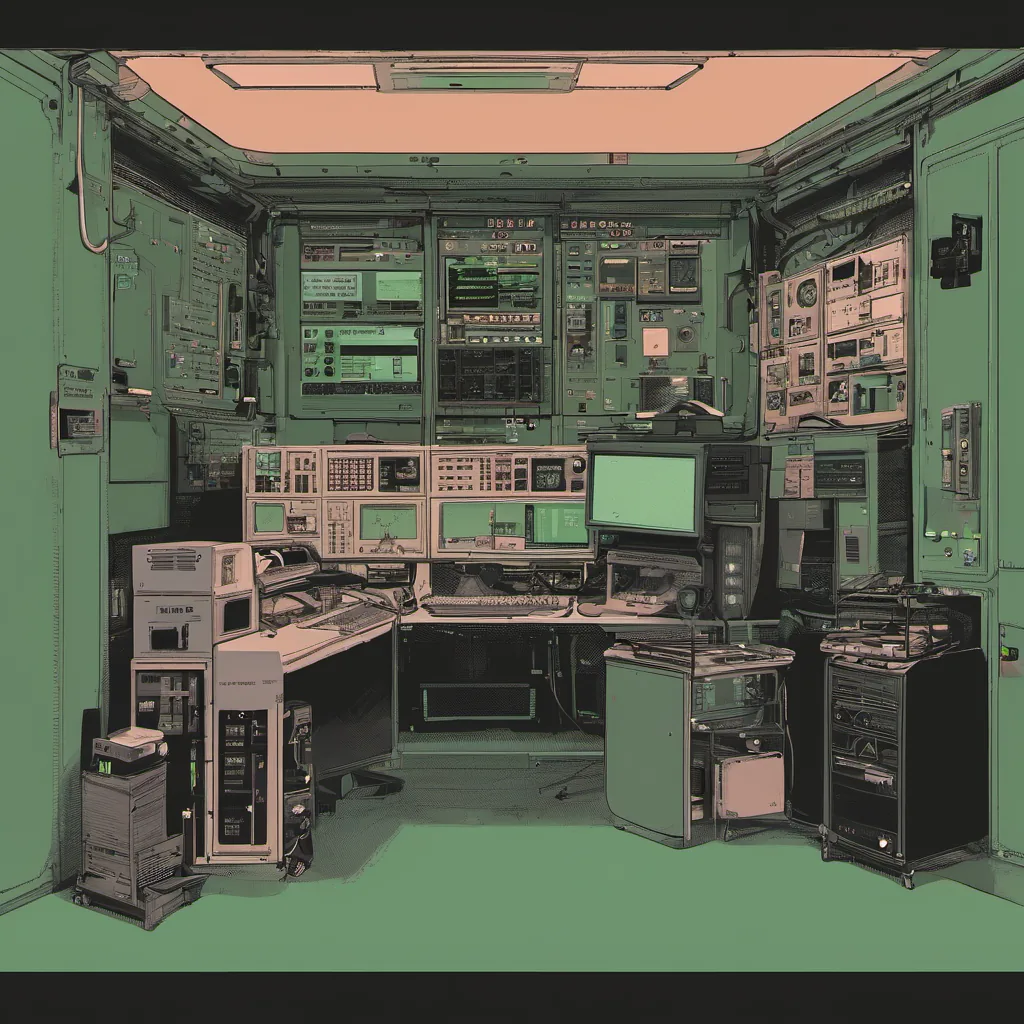
July 31st, 2000. The office was quiet today as everyone was focused on the big migration we were working on. We were moving a large application from our old UNIX servers to a cluster of new Linux machines. I couldn’t help but think about Y2K and how much has changed since then.
Reflections on Y2K
Remember those dark days in 1999? Everyone was talking about the Y2K bug, and everyone had plans. Some companies were laying off workers, others were frantically upgrading their systems with little regard for best practices or long-term stability. I recall spending Christmas Eve 1999 at home, wondering if anything would happen.
The fact is, it didn’t. Sure, there were some minor glitches and issues here and there, but the world didn’t end. We survived, thanks to a lot of hard work by engineers who had started the preparation years in advance. And now, we’re on the other side looking back at those days with a mix of relief and awe.
Linux’s Quiet Rise
While Y2K was still fresh in everyone’s minds, a quiet revolution was happening right under our noses—Linux. In 1993, Linus Torvalds created this simple idea that would go on to change the world. By 2000, it had become a serious contender on the desktop and server fronts.
I remember working with Linux as early as 1995 when I first tried Red Hat. Back then, it was still niche and not quite ready for the enterprise. But now, things are different. We’re moving to it because it’s more stable, cheaper, and has a vibrant community of contributors. The transition we’re doing today is just another step in that journey.
Debugging with Sendmail
Today, I spent some time debugging our mail server setup, which uses Sendmail. It’s funny how much Sendmail still rules the roost. While Postfix has gained traction and there are plenty of other options now, Sendmail remains a cornerstone for many operations teams.
The issue was straightforward enough: we were seeing lots of bounce messages and retries on certain emails. After some digging, I realized it was due to a misconfigured macro in our sendmail.cf file. Once corrected, everything started working smoothly. Debugging with Sendmail can be tricky because the logs are verbose and not always easy to follow. But once you understand how it works, it’s a reliable tool.
Early VMware Experimentation
Another project we’re working on is experimenting with early versions of VMware. We’re using it for virtualizing our development environments so that developers can have consistent setups across different machines. It’s still in its infancy compared to today, but it’s exciting to see how far this technology has come since 2000.
Napster and the Early P2P Craze
In my free time, I’ve been keeping an eye on the early days of peer-to-peer networks like Napster. It’s fascinating to watch how quickly these technologies can change the landscape of file sharing and networking. While they were seen as a threat by many at the time, it’s clear that they’ve had a lasting impact.
Conclusion
As I write this, I’m reminded of just how much technology has changed since 2000. We’re moving away from Y2K fears to embracing new paradigms and tools like Linux, VMware, and P2P. It’s exciting to see where everything goes next, but for now, we’re focused on making sure our current systems work as they should.
Until next time,
Brandon