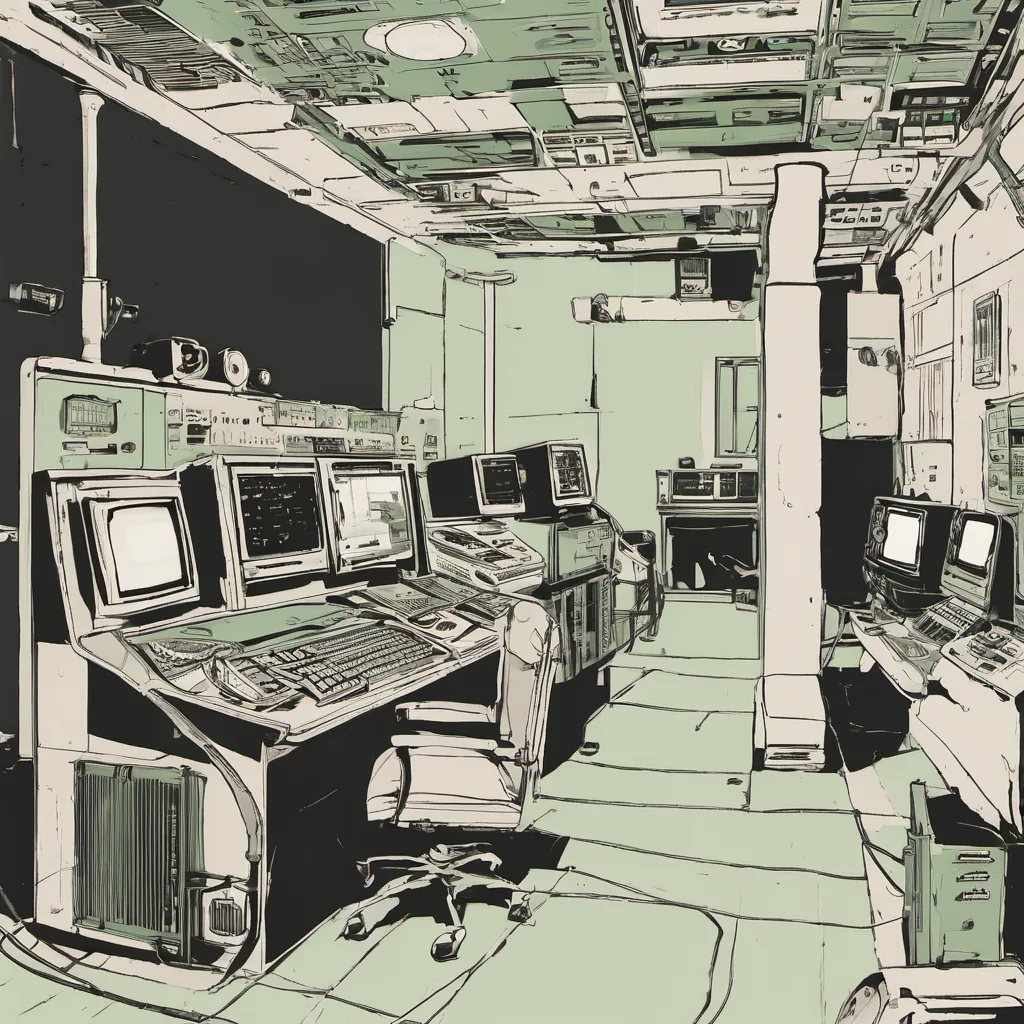
$ cat post/irc-at-midnight-/-the-logs-held-no-answers-then-/-uptime-was-the-proof.md
IRC at midnight / the logs held no answers then / uptime was the proof
May 30, 2011: A Day in the Life of a SysAdmin
May 30, 2011. The day started like any other—coffee brews on the cheap little machine I bought to avoid the office bean-to-bar nonsense. Emails ping into my inbox, and the first task of the day is to take down our website for an urgent code push.
URGENT CODE PUSH: THE NIGHTMARE BEGINS
Our development team just dropped a new version that needs to be deployed in production ASAP. The usual “urgent” email has come through, and it’s already 10 AM. I groan as I open the ticket—another “hotfix,” another deployment with all the fun that comes along with it.
I grab my laptop, which is still a trusty MacBook Pro, though the smell of new tech in the air makes me wish for something lighter. The plan: switch from our current VMs to OpenStack. It’s one of those big “why didn’t we do this sooner” moments.
OPENSTACK: THE PROMISE OF THE FUTURE
OpenStack is all the rage, and I can see why. The promise of running everything as code and having seamless infrastructure management feels like it could save us a lot of hassle down the line. But today? Today it’s just another new thing to figure out while dealing with a critical deployment.
I kick off the OpenStack installer on one of our old servers, hoping for no hiccups. Meanwhile, I need to make sure we don’t break anything by switching environments. A quick glance at our current setup shows us using Chef for config management. Puppet and Chef are still duking it out in this corner of the tech world, but we’re firmly on the Chef side.
DEPLOYMENT: THE REALITY CHECK
As I fire up the OpenStack installer, reality checks start coming in. The code push is already failing. Developers rushed to fix a bug without thoroughly testing the impact on our API layer. It’s 10 AM; it’s now 12 PM; and we’re still debugging why the database queries are choking.
I try to keep calm, but inside I’m seething. How did this happen? We have processes in place, yet here we are. I remind myself that even the best practices can’t prevent every mistake, especially when everyone is under pressure.
THE CHAOS OF DEPLOYMENT
The server installation on OpenStack is taking longer than expected. Meanwhile, our network team is having a fit because they just got back from a conference and now our firewall rules are all out of whack. I feel the weight of it all pressing down on me. We’re supposed to be moving forward with infrastructure as code, yet here we are scrambling to keep things running.
I take a deep breath and focus on what’s crucial: ensuring that the deployment doesn’t fail completely. I dive into our monitoring tools—New Relic, StatsD, Graphite—are all showing spikes in our application’s response time. We need to scale up quickly or face the wrath of our users.
LESSONS LEARNED AND FUTURE STEPS
By 3 PM, we finally get the deployment done. The code push was a success—phew! But as I sit back and look at the day’s events, I can’t help but think about what needs to change. We need better testing protocols, more robust monitoring, and perhaps a reevaluation of our deployment processes.
As the sun sets on another long day, I muse that DevOps isn’t just about technology; it’s about culture too. Embracing new tools like OpenStack is great, but it’s the human aspect—communication, planning, and process—that truly makes a difference in delivering quality software.
CONCLUSION
The day ends with more work to do, but at least I can look forward to an easier transition to our new infrastructure once we get these bumps smoothed out. The future of cloud computing seems bright, but for now, I’m just happy that the deployment went through without any major issues.
Stay tuned as I navigate this exciting yet challenging time in tech!
That’s my day in the life of a sysadmin in 2011. What’s yours?