$ cat post/the-branch-was-deleted-/-i-wrote-it-and-forgot-why-/-the-shell-recalls-it.md
the branch was deleted / I wrote it and forgot why / the shell recalls it
Title: A Muddle of Monitors and Mirages
September 28, 2009. I was just hitting my stride as an engineer at a startup, trying to make sense of the rapidly shifting landscape around me. The cloud vs. colo debates raged on, Git was gaining serious traction, and everyone seemed to be running off some flavor of Agile or Scrum—though we were still figuring out exactly which flavor suited us best.
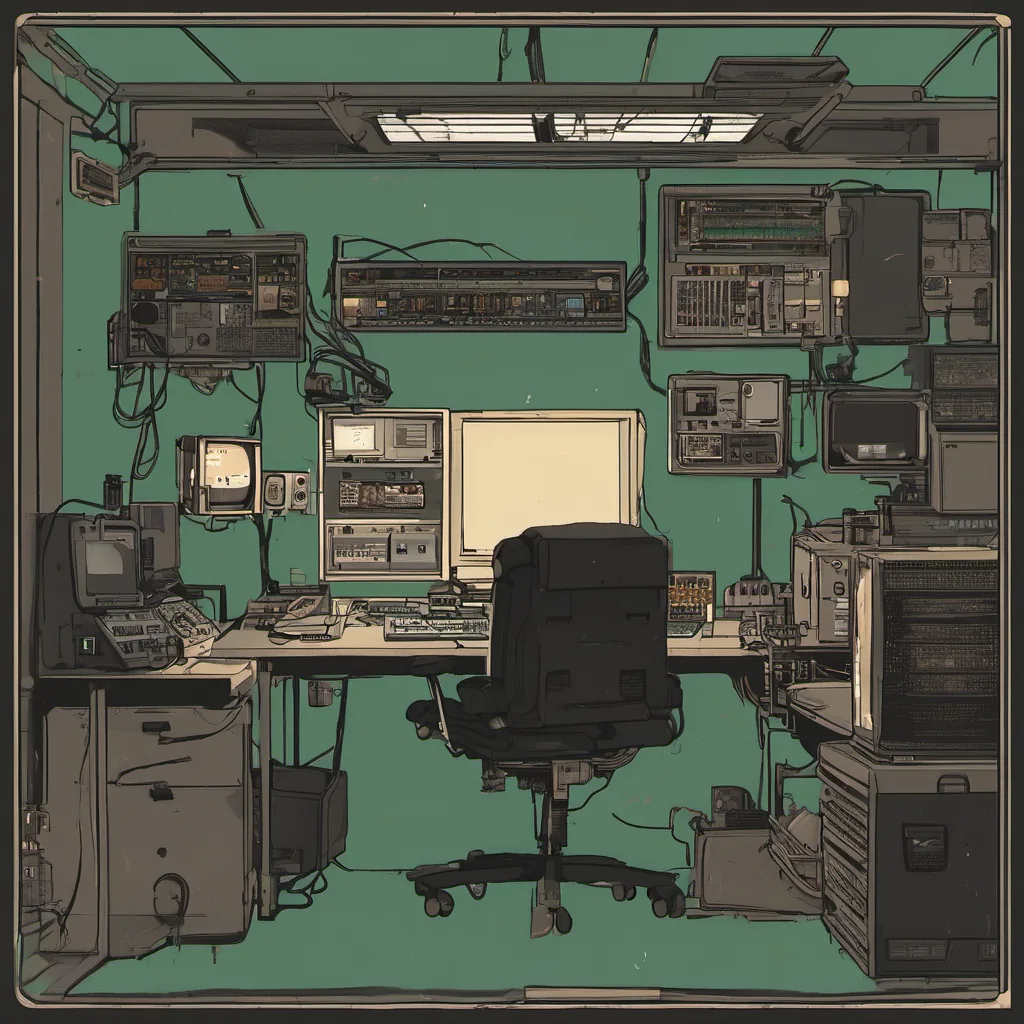
We were wrestling with deploying applications in our data center racks, constantly battling latency and performance issues. Our infrastructure was a mix of custom scripts and hand-rolled solutions, and the only way to monitor it was through a hodgepodge of tools. Every night at around 3 AM, I’d be paged because something had gone south—a server went down, an application crashed—and my brain would scramble trying to figure out what was wrong.
One evening, I found myself staring at a screen full of monochrome graphs and logs, trying to decipher the cause of an outage. The stack trace wasn’t much help; it pointed to some obscure function in our custom logging library. I spent hours stepping through it line by line, wondering if I should have paid more attention to that library during code reviews.
Just as I was about to give up and restart the server (which was a major pain since we had no automated deployment), my colleague Josh walked by my desk. “Hey,” he said, “I saw you were paged earlier. Want me to take a look?” His offer brought back memories of when I first joined the team and would seek his advice on everything.
Josh took over the investigation, and after a few minutes of poking around, he found the culprit—a configuration file that had been accidentally overwritten during a deployment. Once we fixed it, everything was back up and running in no time. It was a small victory, but every victory counted.
Meanwhile, the tech world outside our bubble continued to buzz with excitement over new tools and platforms. GitHub had just launched, making version control more accessible than ever before. I remember being fascinated by their web interface; it seemed so much simpler compared to what we were using at the time. But GitHub was still in its early days, and we didn’t have the resources to switch over yet.
The iPhone SDK was also making waves, but our focus on building scalable infrastructure left little room for exploring mobile app development. Still, I couldn’t help but think about how these new technologies could impact us down the line.
During one of our stand-ups, someone brought up the concept of “the duct tape programmer”—someone who can make do with whatever tools are at hand and get things done. I felt a pang of pride and some measure of self-doubt. We were often in a rush to fix problems quickly without always considering long-term solutions.
The economic crash was hitting us too, as it did many other tech companies. Layoffs were starting to happen, and the pressure to cut costs was real. We had to be careful about how we spent our time and resources, even when there were shiny new tools like Hadoop or AWS EC2 that could potentially save us a lot of work.
One day, my team proposed switching from our old server monitoring tool to something more modern. The idea was enticing—less code, fewer servers, and happier engineers. But as we delved deeper into it, we realized that migrating would be a major effort, and the benefits weren’t immediately clear. We ended up sticking with what we knew until we could justify the switch.
As I look back on September 2009, it feels like everything was in flux. Technologies were changing faster than anyone could keep up, and every day brought new challenges and decisions to make. But that’s also what kept things interesting—always pushing us to adapt and innovate.
And so we soldiered on, deploying fixes, writing code, and trying our best to stay ahead of the curve. It wasn’t always easy, but it was a learning experience that shaped me as an engineer and a leader.
This journal entry aims to capture the spirit of that time, reflecting on the challenges and experiences without overly summarizing external events.