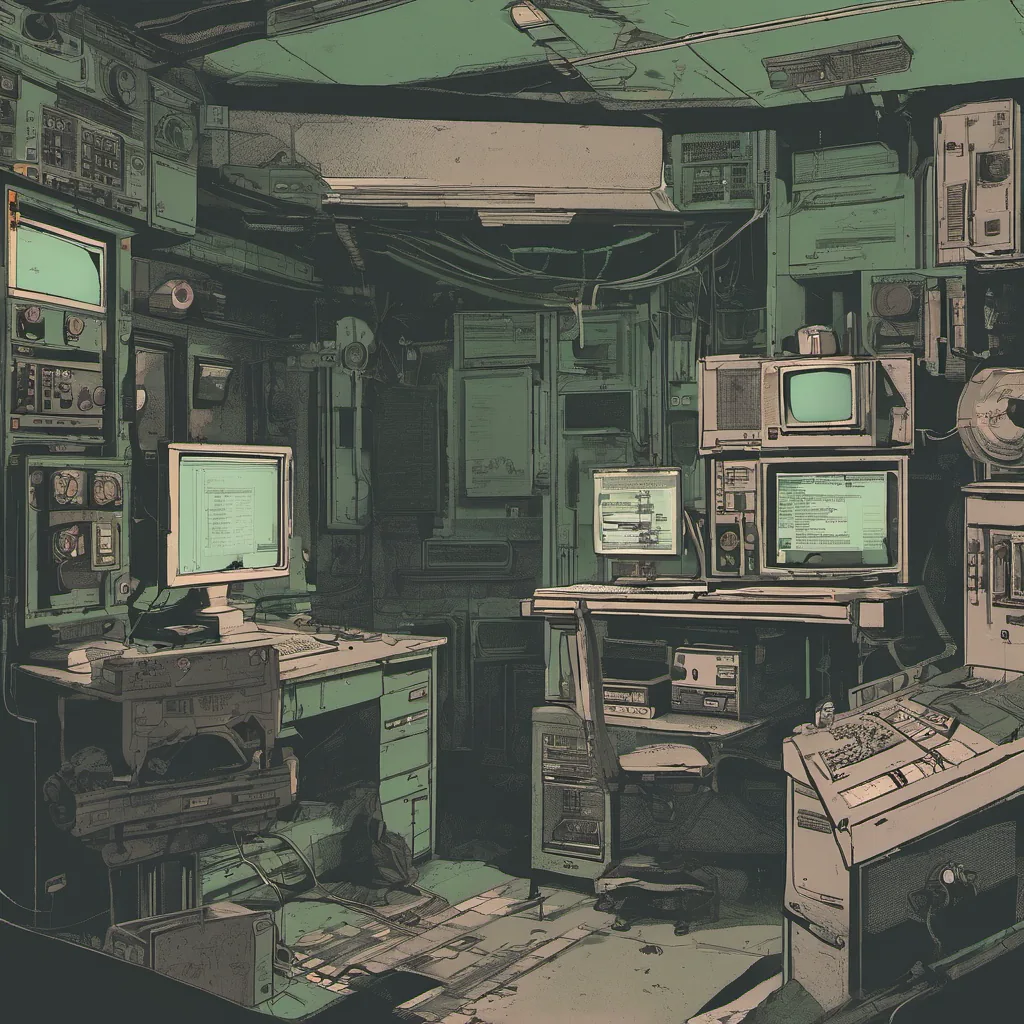
$ cat post/y2k-echoes-in-the-linux-age.md
Y2K Echoes in the Linux Age
It’s May 28, 2001, and I find myself sitting in a small cubicle, staring at a monochrome monitor displaying a rather unremarkable piece of Perl code. The world outside seems so different from just months before when everyone was hunkering down for Y2K. Now we’re dealing with the aftermath—cleaning up after the dot-com bubble burst and adapting to new technologies like Linux on the desktop.
A Linux Desktop?
I remember a time not too long ago when mentioning that you were using Linux on your desktop would make people give you a skeptical look. But now, it’s becoming more of a serious option. I’ve been running Red Hat 6.2 on my personal machine for about six months now, and while the transition hasn’t been without its quirks, it’s working well enough. The real test will be when the next wave hits—people demanding that Linux does everything Windows does.
Apache and Sendmail
Apache and Sendmail are still going strong, running countless servers around the world. Every day, I tweak virtual hosts in my Apache config or update Sendmail rules to handle new email requirements. It’s comforting to know that these old stalwarts can still handle the load, even as they age.
Early VMware Struggles
VMware is a new kid on the block, and it’s interesting to see how it’s starting to change the game in server virtualization. I’ve been using their software for some testing environments, but it’s not without its issues. The performance hit is noticeable compared to bare metal, and stability can be an issue, especially under load. But the potential is there—running multiple OSes on a single box could revolutionize how we manage our servers.
Napster’s Echo
Back in the day, Napster was the talk of the town. I remember listening to it during my commute, downloading music and sharing files with friends. Now, it feels like the dawn of P2P has passed, replaced by more structured file-sharing methods. But the idea that anyone can share anything with anyone still resonates.
Sun Microsystems’ Legacy
Sun is still relevant, but their days as a dominant force in tech seem to be waning. Solaris and Java are still popular, but the cloud seems to be eating away at their market share. I’m glad they’re still around for now; their contributions to networking protocols like NFS and NIS can’t be overstated.
The IPv6 Controversy
IPv4 addresses are running out, and we’re inching towards IPv6 adoption. The debate rages on: should companies embrace it now or wait a few more years? I’m not sure where the answer lies yet, but one thing is certain: IPv6 is coming, whether we’re ready for it or not.
Debugging Real-World Problems
Today, I spent most of my day debugging a nagios alert about an Apache server hanging during requests. It turned out to be a race condition in one of our CGI scripts—a classic case of premature optimization. The lesson here is that sometimes, the simplest solution is the best, but it takes experience to recognize when you’re overthinking things.
Looking Forward
2001 feels like the end of an era and the beginning of another. The Y2K scare might seem quaint now, but it taught us a valuable lesson: we need to be prepared for unexpected events. As for Linux on the desktop and virtualization—these technologies are here to stay, and they’re changing how we build and maintain our infrastructure.
The future is looking bright, but there’s always more to learn and adapt to. The best advice I can give myself today is: embrace change, but don’t rush into it without thinking through the implications.