$ cat post/ssh-key-accepted-/-the-monorepo-grew-too-wide-/-we-kept-the-old-flag.md
ssh key accepted / the monorepo grew too wide / we kept the old flag
Title: A Day in the Life of a Script Guy: September 27, 2004
September 27, 2004. It’s just another day in the life of a tech guy stuck in the mid-2000s, but let me tell you—there are some days when the mundane becomes magical.
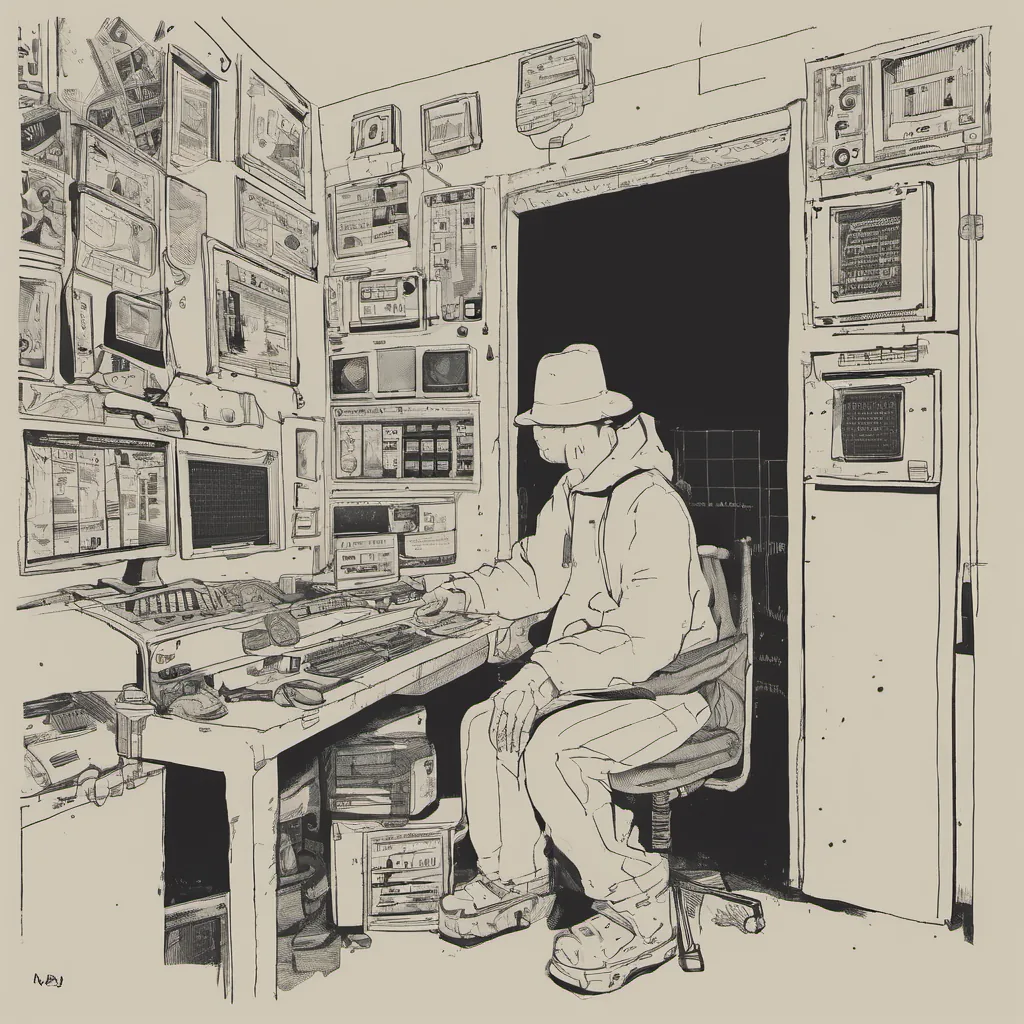
Today started like any other. I woke up to an early morning alarm, sipped on my second cup of coffee, and mentally prepared myself for yet another day scripting away at my desk. You see, being a sysadmin in 2004 was all about automating repetitive tasks—more Perl and Python scripts than you can shake a stick at.
The first thing I did was check the bug tracker, looking for any new tickets that had cropped up overnight. Oh joy! A dozen more to add to the pile. I grabbed my trusty terminal and started diving into some debugging hell with an old PHP script that was spitting out errors on one of our servers. The codebase was a mess, but as always, I’m the hero who can make it work.
# grep -r "error" /var/www/html/After a few minutes of hunting down the culprit, I found a syntax error that was causing the script to choke on its own tail. A quick fix later, and the errors were gone. But hey, we’re only human, and sometimes our scripts can be as finicky as teenagers at a slumber party.
Next up was a recurring task: backing up critical databases. I wrote a cron job in Perl to do this for us, but today it wasn’t working. The script would run, but the backup files never showed up where they were supposed to.
# tail -f /var/log/cron.logAfter some digging, I realized that the script was hitting an NFS mount point and failing due to permissions issues. I quickly fixed the cron job by adjusting the ownership of the directory, but it brought me face-to-face with the limitations of our infrastructure back then.
We were using a mix of custom scripts and off-the-shelf tools, none of which integrated perfectly. It was a mess, but we made it work—just like how we used to manually type in passwords because no one had thought of a better way yet.
Speaking of passwords, I also spent some time updating our user management system. We were using LDAP for authentication and authorization, and there were a few issues cropping up due to misconfigurations. I took the opportunity to clean things up and add some new features. It was a good reminder that sometimes you need to spend time fixing the basics before you can move on to the next big thing.
As the day went on, we had our weekly team meeting to discuss upcoming projects and roadblocks. One of my colleagues brought up an interesting idea: maybe it’s time to start using Xen for virtualization instead of the aging VMware setup. I’ve always been skeptical about learning a new hypervisor, but there was something compelling about its open-source nature and ease of use.
The conversation quickly turned into a debate, with some folks arguing that we should stick with what we know, while others saw the potential benefits. In the end, we decided to do some proof-of-concept work to see how well Xen would fit our environment. It’s not like we had much to lose at this point—everything was running in virtual machines anyway.
By mid-afternoon, I was feeling a bit drained but also energized by the challenges of the day. The sysadmin role has always been about solving problems and finding creative solutions with limited resources. Today was no different.
As I wrapped up for the day, I left my terminal open to monitor some ongoing processes. There’s something satisfying about knowing that everything is running smoothly, even if it’s just a small part of a much larger system.
And so, as September 27th fades into history, I reflect on another day in the life of a script guy. It may not be glamorous, but it’s always interesting. Who knew that writing some more Perl would lead to such an eventful day?
That’s your daily grind, folks—hope you enjoyed the journey through my sysadmin days circa 2004!