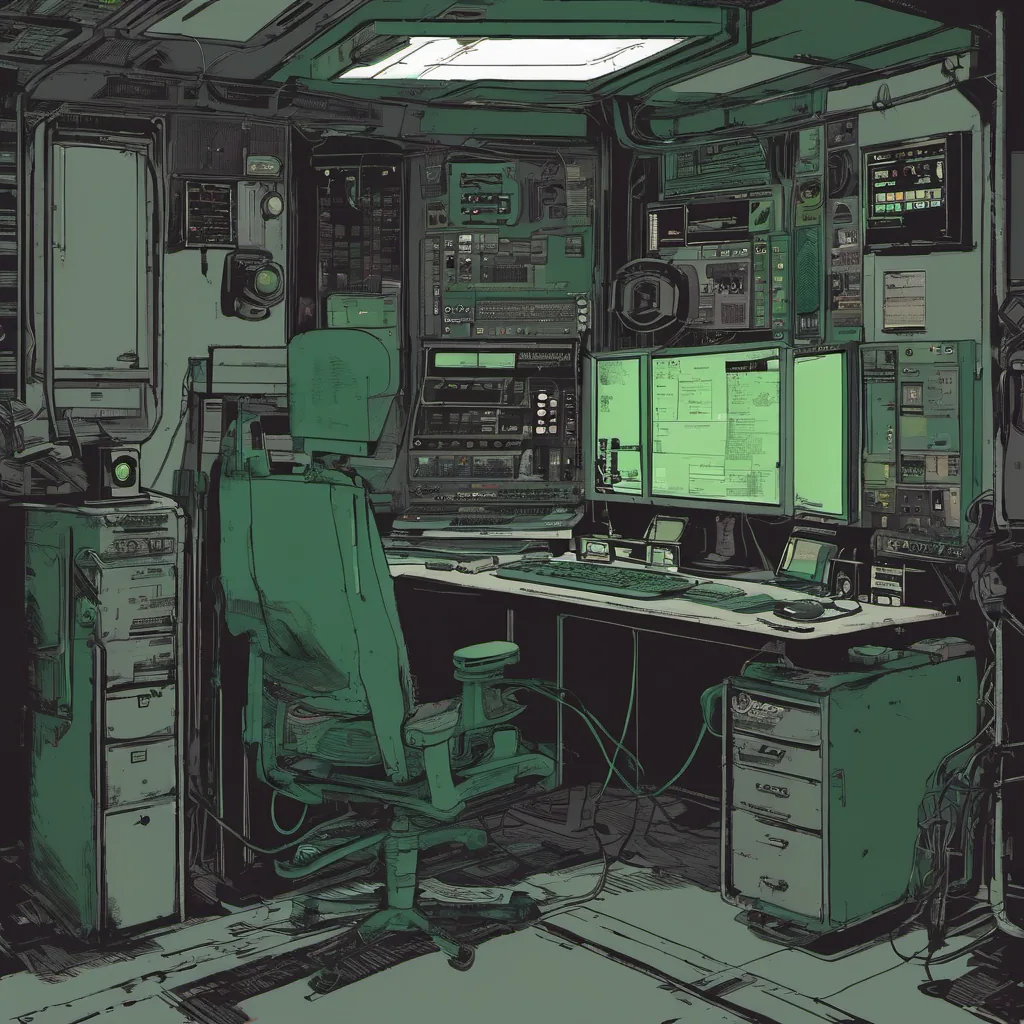
$ cat post/the-old-server-hums-/-the-load-average-climbed-alone-/-it-ran-in-the-dark.md
the old server hums / the load average climbed alone / it ran in the dark
Title: The Y2K Aftermath and My First Big Ticket Bug Fix
November 27, 2000. I can still recall the eerie calm that followed the Y2K scare. Sure, it was a relief not to hear about impending global collapse, but the aftermath left us with more pressing concerns: ensuring our systems were robust enough for this new millennium.
At the time, I was working as a systems administrator for a small startup in Silicon Valley. We were still in survival mode, trying to keep pace with the rapid changes in technology while managing the day-to-day operations of our web servers and network infrastructure. Linux on the desktop was gaining traction among developers, but we were using it sparingly on the backend, relying heavily on Apache, Sendmail, and BIND.
One particularly chilly afternoon, I received an urgent call from our CEO. He wanted me to look into a strange issue that had been cropping up periodically over the last week. Our primary web server was acting up, spiking CPU usage at random intervals, but only during certain hours of the day. We hadn’t seen this behavior since before Y2K, and it was starting to raise some eyebrows.
I rolled up my sleeves and dove into the logs. The first thing that stood out was a peculiar pattern in the Apache access logs—specific requests hitting the server at precise intervals. I cross-referenced these with our application logs and noticed that they were triggering a heavy processing cycle on one of our backend services. This service handled user authentication, which meant it was critical.
The root cause turned out to be a rare race condition in our authentication logic. It seemed like an innocent piece of code we had written during the early days of the project, but this was the first time I really understood the importance of thorough testing and debugging. The code relied on timestamps for session validation, which had been hardcoded with values that were off by just a few seconds.
To fix it, I had to go through the entire authentication flow, line by line, identifying where the clock skew occurred. It was like hunting down a ghost in the machine; each iteration brought me closer but always left me questioning my sanity. After hours of stepping through the code with gdb and analyzing the timestamps, I finally pinpointed the culprit.
It involved modifying how we handled session timeouts to ensure they were consistent across all instances. The fix wasn’t glamorous or groundbreaking, but it was crucial. Once implemented, the CPU spikes vanished overnight, and our users experienced a much smoother experience.
This bug taught me the importance of thorough testing in real-world scenarios, especially with time-sensitive operations. It’s easy to overlook edge cases, especially when you’re on a tight deadline and working under pressure. But as I look back, it’s those moments that shape your understanding of what it means to be responsible for critical systems.
The Y2K scare may have seemed like a distant memory now, but the lessons learned then are still relevant today. Ensuring your systems are robust enough to handle unexpected behavior and stress tests is something we should always keep in mind. Even as technology evolves, the basics of reliable infrastructure remain just as vital.
That night, I went home feeling accomplished. I had debugged a big ticket bug and saved our servers from potentially crippling issues. It was a small victory in an era filled with both promise and peril.