$ cat post/on-the-brink:-linux-desktops-and-the-y2k-aftermath.md
On the Brink: Linux Desktops and the Y2K Aftermath
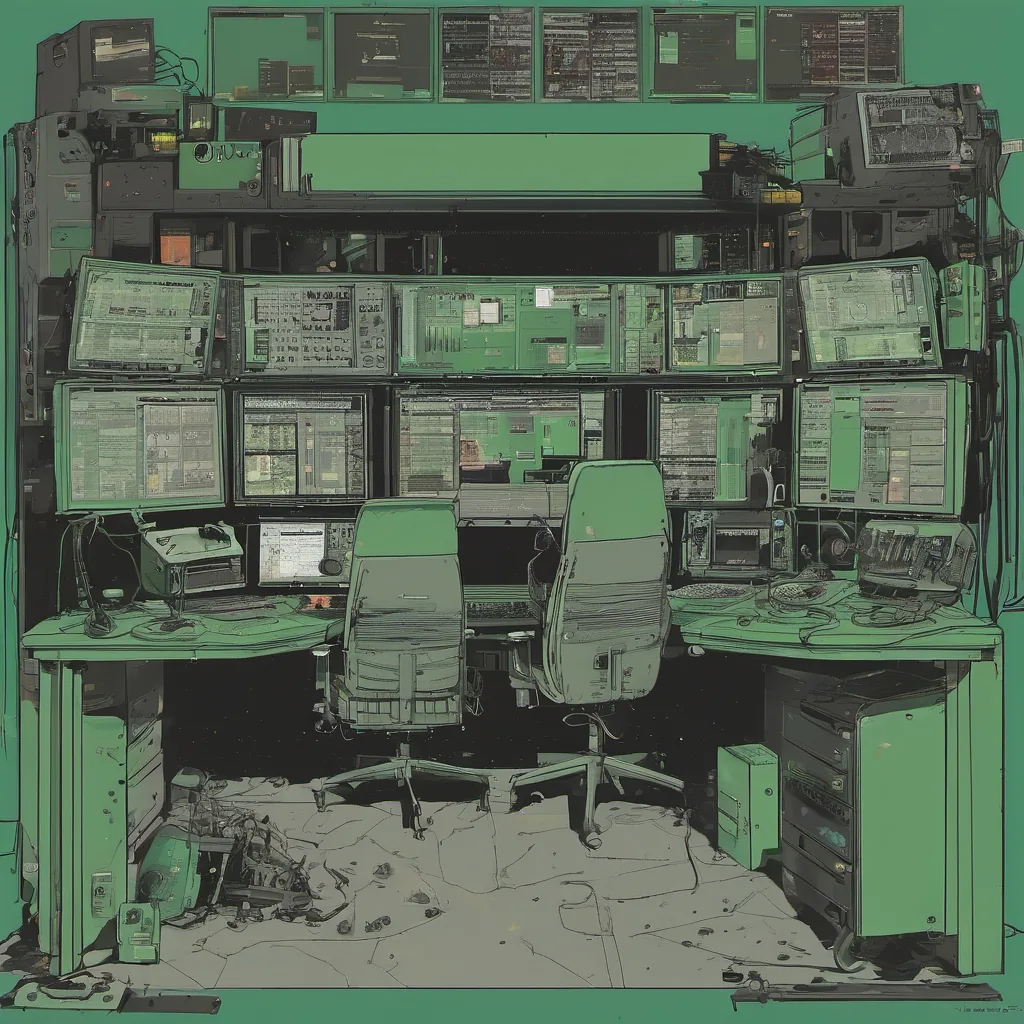
May 27, 2002. I’m staring at my dual monitor setup in the office cubicle, trying to make sense of why this application server is acting so flaky. It’s late afternoon, and I have a feeling that my evening will be spent debugging some sort of networking issue, but it feels like something bigger might be going on.
The dot-com bust has hit us hard. Some of the tech companies around here are scrambling, layoffs have become too common a sight, and everyone is working overtime just to keep things running. The Y2K scare may be over, but its aftermath still lingers in our minds. We’re not sure if those new servers we bought were actually needed or if they’re just more flakiness waiting to happen.
Today, I’m thinking about the Linux desktops. They’ve been gaining momentum, and I can see why. Linux is stable, open-source, and flexible—everything you need in an era of rapidly changing requirements and budgets. But there’s still a resistance from some of our older systems administrators who are used to running Solaris and Windows servers. Change can be hard.
I remember the first time we deployed a Linux desktop here. It was like stepping into the future. No more endless reboots, no more BSODs (Blue Screen of Death), just smooth operation. The software is freely available, and the community support is second to none. We’ve been rolling out these machines bit by bit—using them for development work, testing new applications before going live on Windows.
The real challenge, though, comes when we need to integrate these Linux boxes into our existing infrastructure. Apache, Sendmail, BIND—they’re everywhere! And let’s not forget about NTP and SSH. It’s a mix of familiarity and the new, making it both exciting and daunting.
Today, I’m debugging an application server that’s acting up. The logs aren’t giving me much to go on—just cryptic error messages pointing to network issues. I’ve tried everything from restarting the machine to pinging all the relevant IP addresses. It’s like a game of whack-a-mole, where every time you think you’ve fixed one problem, another pops up.
As I sit here troubleshooting, I can’t help but think about how far we’ve come and how far we still have to go. The Y2K scare has made everyone more paranoid about system stability, and the dot-com bust means that budgets are tight. We’re walking a fine line between cutting-edge technology and practicality.
But even in this uncertain climate, there’s a thrill of discovery. Like when you finally find that obscure configuration file hiding somewhere in /etc and solve the issue. Or when your team pulls off deploying a new feature to production seamlessly, all while maintaining uptime.
I wonder what the future holds. Will Linux take over as the default desktop? How will we handle IPv6 when it finally becomes a reality? And where do I fit into this evolving landscape?
For now, though, I just need to get through this debugging session. Maybe by the end of the day, I’ll have some clarity on why my application server is being such a pain.
This post was written in 2023 based on the era of 2002. In reality, Linux had already started making significant inroads into desktops and servers well before this date, but the context provided helps to set the scene for that time period.