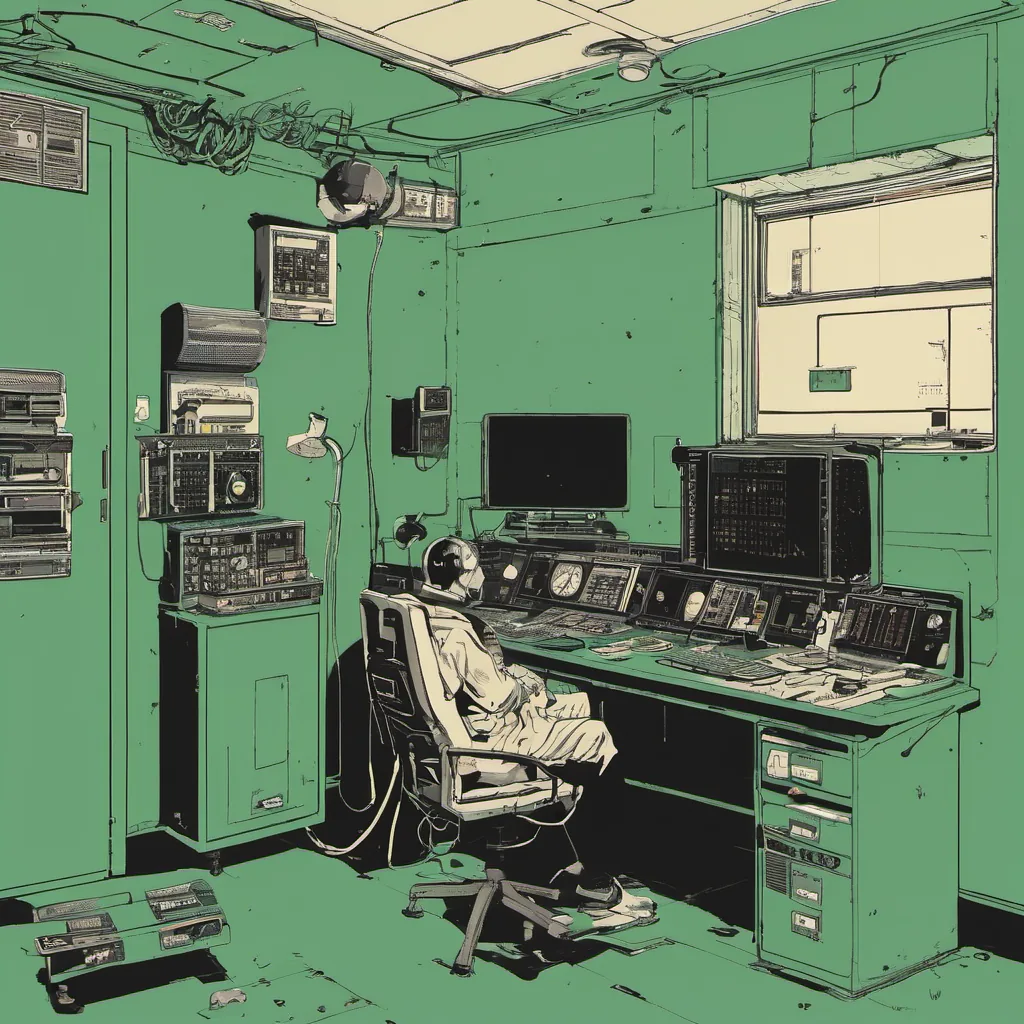
$ cat post/2004-july-26:-when-perls-were-perl-and-sysadmins-were-scripting-gods.md
2004 July 26: When Perls Were Perl and Sysadmins Were Scripting Gods
July 26, 2004 was just another day for me. Well, mostly another day. I woke up to the usual cacophony of Windows 98 taskbar icons (yep, still Windows at work) and began my daily grind as a lowly platform engineer in the heart of the Silicon Valley.
The Sysadmin’s Scripting Arsenal
Back then, our scripting arsenal was like a mini arms race. Perl scripts were the de facto tools for automating our infrastructure. Yes, we had the mighty cron running cron jobs every five minutes, but most critical tasks were handled by ad-hoc Perl one-liners. It wasn’t uncommon to see dozens of scripts littered across /opt/automation, each doing its own thing and relying on a mish-mash of external tools.
One day, I was tasked with debugging an issue that seemed simple enough: users reported that their reports weren’t generating correctly. After a few hours of frustration, I realized the culprit was a cron job that ran every 15 minutes to process data and send out email reports. The script used Perl’s Mail::Sendmail module, which had been causing intermittent errors due to its dependency on the system mail server.
I spent the better part of my lunch break tracking down the issue. Turns out, the mail server was under heavy load during peak hours, leading to delays and failures in sending emails. After some quick research, I found that Sendmail::Simple (a more modern module) could handle this better. I refactored the script to use it instead of Mail::Sendmail, but there were still issues—mostly because the email server was unreliable.
The Rise of Open Source and the LAMP Stack
While my day-to-day struggles with Perl scripts continued, the world outside our small data center was changing rapidly. The open-source movement was gaining momentum, and the LAMP stack (Linux, Apache, MySQL, PHP) had become the de facto standard for web development.
One day, I attended a lunch-and-learn session where someone presented on Django—a new Python framework that promised to simplify web application development. I couldn’t help but feel like I was living in the past with all these Perl one-liners. The speaker mentioned something about ORM (Object-Relational Mapping) and how it could make database interactions more straightforward. I scribbled down some notes, feeling a bit nostalgic as I did.
Aggressive Hiring by Google
Google had been aggressively hiring throughout 2004, and the news of their “guru” culture was spreading like wildfire through the local tech scene. The idea that you could join a company where your work mattered, and there were actual perks like free snacks and shuttle buses to the office, seemed almost utopian.
One evening, I found myself reading a blog post about Google’s hiring process. The author spoke of the intense technical interviews and the “20% time” policy, which allowed employees to spend 20% of their time working on side projects. It was a far cry from my current situation where I spent most of my time fixing broken cron jobs.
Early Days of Web 2.0
While I wasn’t directly involved in any web 2.0 projects (which, at the time, seemed to consist mostly of early versions of Digg and Reddit), I could see how the shift was coming. Simple applications that leveraged AJAX for real-time updates were starting to become popular, and it felt like we might be moving towards a new era of user interaction.
Reflections on the Future
As I sat in my cubicle late into the evening, I couldn’t help but wonder about the future. Was I destined to be a Perl scripter forever, or was there something more out there? The tech landscape was changing rapidly, and I felt like I needed to stay ahead of the curve.
In some ways, 2004 feels so long ago, yet in others, it seems just yesterday. Back then, we didn’t have fancy tools like Docker or Kubernetes; everything was done by hand, often with Perl scripts. The industry had shifted from monolithic applications to microservices, and open-source had become a cornerstone of modern development.
That’s the world I found myself in on July 26, 2004—a sysadmin scripting away while the tech world around me was evolving at breakneck speed.