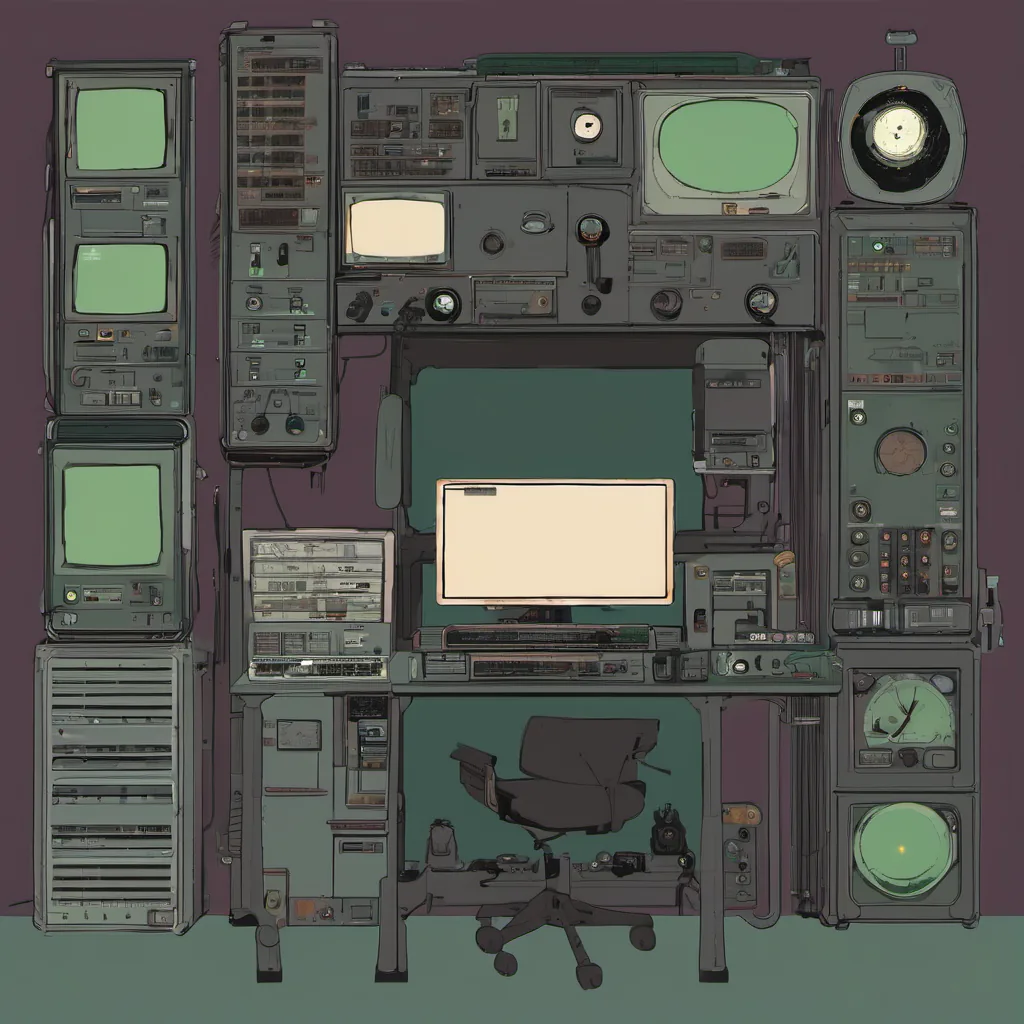
$ cat post/life-in-the-lamp-jungle.md
Life in the LAMP Jungle
August 25, 2003, I remember like it was yesterday. The air was thick with the scent of possibility and the stench of debugging late-night Apache crashes. It was a time when LAMP (Linux, Apache, MySQL, Perl/PHP) stacks were everywhere, but the jungle was filled with more beasts than you could count.
I was in the midst of a project to migrate an old enterprise application from VB6 to a more modern stack. The idea of ditching VB6 for something like PHP or Python seemed heretical at the time, but our client insisted on staying competitive in this new web 2.0 world. So here we were, diving headfirst into the LAMP ecosystem.
Our first hurdle was Apache. We needed to get it running and secure enough to handle a few hundred simultaneous users without throwing tantrums. The first few days were spent wrestling with mod_perl and CGI scripts that had more complexity than my brain could process at once. I remember hitting my desk in frustration, muttering “Perl is not my friend,” but knowing I needed to learn it if we wanted this project to succeed.
Meanwhile, PHP 4 was the hotness, but every time I tried to do anything useful with it, I ran into a wall of “undefined variables” and other cryptic error messages. It felt like PHP was designed for novices—because let’s face it, most people were still using version 3.
MySQL was relatively straightforward compared to the rest. We had our fair share of slow queries and misconfigured indexes, but overall, it served us well. Of course, there was the occasional SQL injection exploit that made you wonder if someone had deliberately poisoned your database.
Xen hypervisor started gaining traction in my company’s server room as we began to virtualize more of our environment. I spent hours figuring out how to set up Xen so it wouldn’t clash with our existing NFS shares and LVM configurations. The whole process felt like a game of connect the dots, where each dot was a different piece of software that needed to play nice.
One of my biggest headaches was integrating all these components into one cohesive system. We had chosen Python for some backend services because of its readability and ease of use—much to the chagrin of the old-school Perl guys. I remember spending countless nights trying to get Python and PHP to work together seamlessly, only to end up with a tangled web of hacks and spaghetti code.
The sysadmin role was evolving too. The days when you could write your scripts in Bash were becoming less frequent as more teams adopted languages like Python for their automation needs. But the trade-off was that now I had to spend even more time learning these new tools, which meant less time doing actual sysadmin work and more time reading documentation.
And then there was Google. They were hiring aggressively, and every day it seemed like they were changing the rules of search in ways we couldn’t fully understand or keep up with. We couldn’t help but feel a bit envious as they continued to innovate while our company struggled to just maintain its existing systems.
The launch of Firefox was exciting too, but also a reminder that open-source projects could be just as robust and feature-rich as commercial software if given the right support and community backing. It made me think about how much of our infrastructure could benefit from more open-source tools.
In August 2003, we were still in the early days of web 2.0. Sites like Digg and Reddit were just starting to gain traction, and the idea that users would interact with your content in real-time was mind-blowing. It felt like a new world was opening up, but also one where every day brought new challenges and learning opportunities.
Looking back, it’s amazing how much has changed since then. The tools we used were clunky by today’s standards, and the processes we employed seem primitive now. But those early days in the LAMP jungle were formative—both for my technical skills and for understanding the dynamic nature of technology itself.