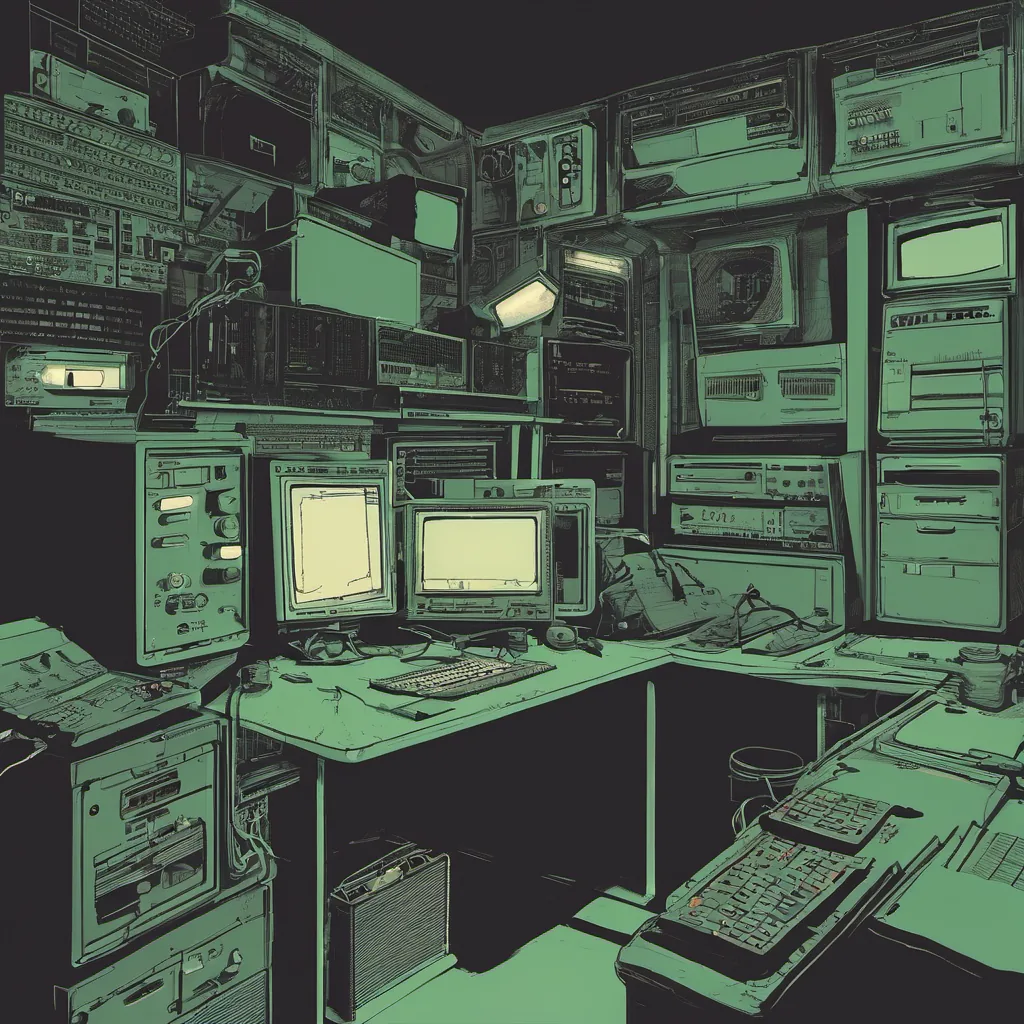
$ cat post/a-20/20-vision-of-may-24,-2004.md
A 20/20 Vision of May 24, 2004
May 24, 2004. I can still remember it like it was yesterday. The air was thick with the promise of new technologies and ideas, and the world of tech seemed to be shifting beneath my feet.
It’s hard to believe that in just a few years, open-source stacks like LAMP (Linux-Apache-MySQL-PHP) would become the norm for web development. Back then, I was still learning Perl and Python on the job, but I could see the future was coming at us fast. I remember spending late nights debugging complex scripts that tied together Apache modules with custom Perl logic to manage our growing database servers.
Xen hypervisor had just launched its first version. I was skeptical, thinking it might be a bit too early for production use, but the promise of true virtualization was hard to ignore. I started experimenting on some spare machines, trying to get a feel for what it could do. The potential was exhilarating, but the reality was that it still had a few rough edges.
Google was hiring aggressively, and Firefox had just been launched. I remember being impressed by the idea of an open-source browser, even if we were still using Internet Explorer at work. It felt like the early days of innovation were really taking off, with new ideas sprouting up faster than we could keep track.
That month, my team was wrestling with a particularly tricky issue: our load balancer was consistently failing to distribute traffic evenly across servers during peak hours. We had tried various setups, but nothing seemed to work reliably. The tech stack was a mix of custom scripts in Perl and shell, running on top of Apache modules and MySQL databases—all tied together by a web-based frontend written in PHP.
After days of head-scratching, we decided to take a step back and rethink our approach. We started with basic diagnostics—logging, monitoring, and profiling the load balancer’s behavior at every level. It turned out that one of the Apache modules we were relying on was introducing subtle timing issues under high load conditions.
We spent hours arguing about the best way forward: should we try to patch the module? Rewrite our custom scripts in a more efficient language like C or Java? Or simply refactor our entire architecture to use simpler, less error-prone components?
In the end, we decided to go with a simpler solution. We rewrote some of our most critical scripts in Python, using some new tools and libraries that were gaining traction in the community. It wasn’t easy—Python was still finding its footing in production environments—but it paid off.
We shipped the changes just as the server load started to ramp up for the day’s major event. For a few heart-stopping moments, everything went smoothly. Then, suddenly, we saw a spike in errors. Panic set in as our monitoring tools flagged servers going down one by one.
It took us hours of debugging and logging to identify the issue—a race condition introduced when two processes tried to update the same configuration file simultaneously. We fixed it, but not without a lot of swearing and frustrated hacking sessions.
That night, as I sat back with a cup of coffee, staring at the servers coming back online, I felt a mix of relief and excitement. The tech landscape was changing so fast that we couldn’t afford to stick to our old ways. We needed to be agile, adaptable, and willing to experiment if we wanted to stay ahead.
Looking back, those days were formative in shaping my approach to engineering. Debugging complex systems taught me the value of understanding every layer, from hardware to software. The constant evolution of tools and languages pushed me to learn new skills quickly and keep an open mind.
May 24, 2004, was just a moment in time, but it’s one I’ll always remember as part of my journey into tech. The lessons learned then still resonate with me today, even as the world of technology continues to evolve at breakneck speed.