$ cat post/y2k-blues:-a-night-at-the-data-center.md
Y2K Blues: A Night at the Data Center
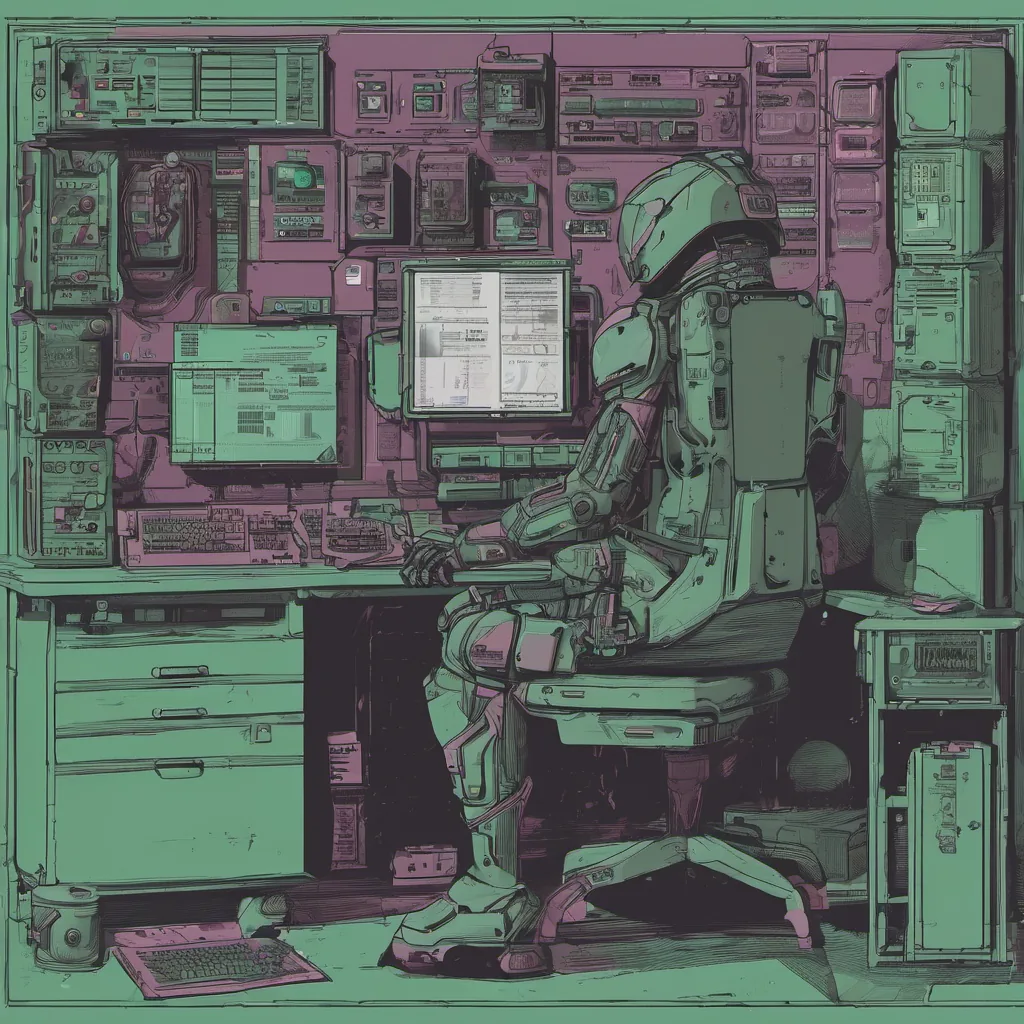
It was a typical Thursday night in early 2000. Or so it seemed. As I walked through the dimly lit server room, the hum of machines was the only sound breaking the silence. The air conditioning kicked up every now and then, sending a chill down my spine. Tonight, like every other night, I had the privilege—or misfortune—of being on call for Y2K issues.
We had our little joke going around the office: “Y2K is just one more way to get people to drink your Kool-Aid.” It was a bit of levity in an otherwise sobering reality. The dot-com boom had hit its peak, and we were still feeling the echoes of that euphoria. Linux was gaining traction on the desktops, but it seemed like everyone was still debating whether Java would save the world or just become another passing fad.
As I settled into my chair in front of one of our production servers, a feeling of unease crept up my spine. We had run countless tests and simulations, but there’s always that moment when you stare at the clock counting down to midnight with nothing better to do than hope for the best.
The server room was filled with equipment from Sun Microsystems and IBM, both still relevant players in our tech stack despite the rise of Linux and open-source alternatives. The walls were lined with servers running Apache, Sendmail, and BIND, the workhorses that kept our services up and running. And then there was VMware—back then, a relatively new kid on the block, promising to revolutionize virtualization.
My main concern tonight? DNS. We had a custom DNS setup using BIND, and I knew it wasn’t perfect. The fear of a resolution failure at midnight was real. I ran through the usual checklist: backups were up-to-date, disaster recovery plans were ready, and our developers had pushed their latest Y2K-safe patches.
As 11:59 PM approached, the server room became even quieter. People started to trickle in, each one with a determined look on their face. Some were there for the drama, others just to be prepared. I made my way over to the main console and double-checked our monitoring tools. They seemed to be doing their job, but the tension was palpable.
At precisely 12:00 AM, the clock struck midnight. Silence. Then, a small clink as someone poured themselves a glass of champagne. Cheers echoed through the server room. People high-fived and congratulated each other. But for me, there was no celebration yet.
I sat back down at my console, watching the logs trickle by. Everything seemed fine—no major outages, no service interruptions. But I couldn’t relax just yet. The real test would come in the morning, when users started hitting our sites again after a night of quiet contemplation and hope.
By 7 AM, things were looking good. Our monitoring tools didn’t show any issues, and support tickets remained low. People were starting to return to their desks, chatting excitedly about the night’s events. But I couldn’t shake off that feeling of unease. There was always a chance something could still go wrong.
In retrospect, Y2K wasn’t just about technology; it was about resilience and preparedness. It taught us that no matter how much testing you do, there will always be unknowns. And in those moments when everything seems to fall into place, there’s still the nagging thought of what might come next.
As I walked out of the server room for the last time that night, I couldn’t help but wonder: would history repeat itself? What new challenges awaited us in the next millennium?
For now, though, I allowed myself a small victory. Another night through without a hitch. And who knows—maybe we had just saved Christmas for our users.
That’s how it went. Just another night at the data center, with Y2K hanging over everything like an uninvited guest.