$ cat post/y2k-echoes-in-a-dot-com-winter.md
Y2K Echoes in a Dot-Com Winter
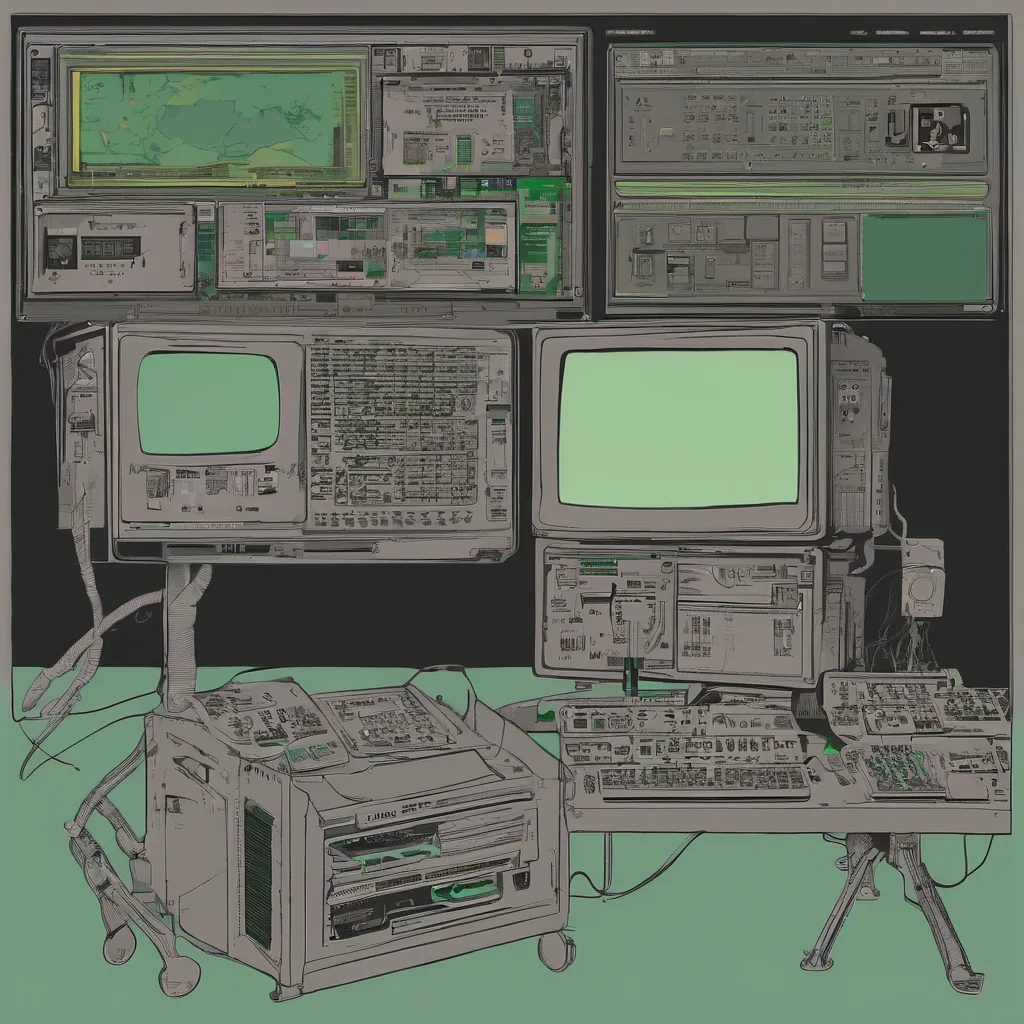
December 24, 2001. The world seems to be quieting down after the tumult of the dot-com boom and bust. It’s like the tech industry is taking a deep breath, preparing for what feels like an inevitable crash. I’m sitting here at my desk in the data center, surrounded by servers that are mostly quiet—save for the occasional hum of cooling fans.
I’m thinking back to Y2K. The Y2K problem was just the beginning, wasn’t it? We scrambled, we patched, and we made sure our systems wouldn’t fail when the clock struck midnight on January 1st, 2000. But now, with the dot-com bubble having popped, what’s next? Are we heading for a similar crash or is this just a lull before something new takes center stage?
I’ve been working on a project that involves migrating our web infrastructure from Apache to Nginx. It started as an optimization effort—Apache was getting too slow under the load of our growing user base, and Nginx seemed to handle the traffic better with less resource consumption. However, as I dug into it, I realized there were some deeper issues at play.
One particular night, I stayed late in the data center, monitoring a server that kept crashing. The logs showed intermittent 502 Bad Gateway errors coming from Nginx, which then cascaded to our application servers. I spent hours poring over the logs and testing different configurations, but nothing seemed to resolve the issue.
It was late, around midnight, when I finally stumbled across the problem: a memory leak in our codebase. The application, written in Python using Flask, was leaking memory with each request, causing Nginx to fail eventually. I had thought it was an Nginx configuration issue, but it turned out we were doing something fundamentally wrong in our backend.
This experience echoed back to the Y2K days—small problems can snowball into bigger issues if not addressed promptly. It’s a reminder that robust systems require continuous attention and vigilance, even when things seem quiet on the surface.
As I type this, I’m also thinking about the early P2P networks like Napster. While they were being shuttered due to legal troubles, they laid the groundwork for what would become modern peer-to-peer file sharing and distributed systems. It’s interesting to see how technology trends from just a few years ago are now part of our daily lives.
In a way, 2001 feels like a moment of transition—tech is still moving fast, but with a bit more caution than before. Early VMware was starting to make inroads into the enterprise, and Linux on the desktop was gaining traction. These technologies were going to shape how we manage infrastructure for years to come.
As I hit save on my code changes, I feel a sense of satisfaction. We fixed the issue, but there’s still so much more to learn and adapt. The tech industry is like a river—constant change, always flowing forward, and sometimes it’s hard to keep up.
Merry Christmas, everyone. May 2001 be remembered as a time when we started laying down the foundations for future technologies that would shape our world in ways we can only begin to imagine now.
[End of Post]