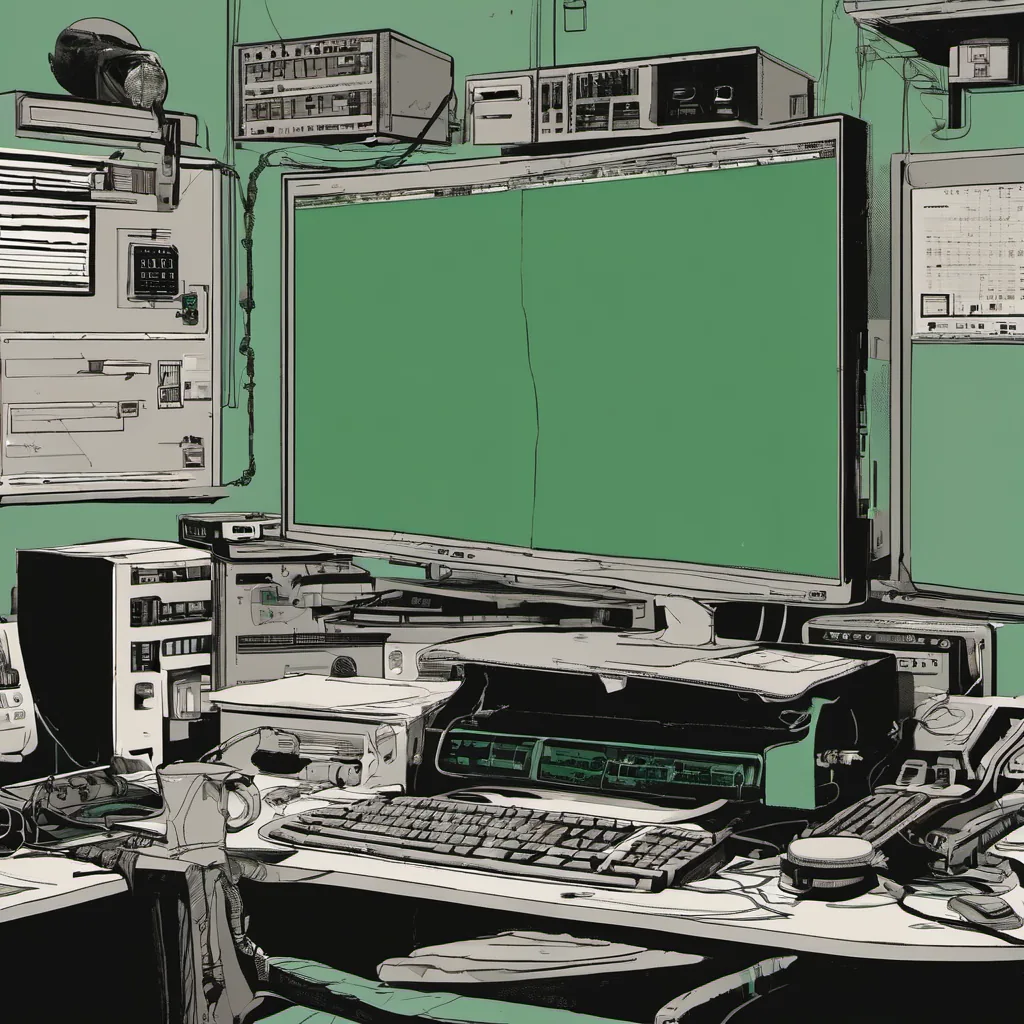
$ cat post/linux-on-the-desktop:-a-love-hate-relationship.md
Linux on the Desktop: A Love-Hate Relationship
October 22, 2001. I remember it well; the air was thick with the echoes of the dot-com bubble bursting and the lingering tension from Y2K concerns. I had just finished a late night at the office, fixing an Apache configuration that had decided to go rogue on us. We were using Linux as our web server and for many other critical services, but it wasn’t exactly a picnic.
At work, we were still primarily running Solaris, with some Windows servers scattered here and there. But Linux was becoming increasingly popular among developers, even if IT folks like me were skeptical of its stability in production environments. The idea of using open-source software for business-critical operations was a bit of a gamble back then.
I had just taken on the role as platform engineer for our company’s web infrastructure. It felt like I was stepping into the ring with an opponent that seemed to be gaining ground, but not without its weaknesses. My mandate: make Linux work in production, or at least make it look like it did.
One morning, I sat down and started setting up a new development server for a project. This time, I really wanted things to stick—no more booting into Windows and manually copying files over because “Linux is just too complicated.” But oh boy, was that going to be a challenge.
The first hurdle? The dreaded dependency hell. Trying to install an application via apt-get or yum, only for it to pull in half a dozen other packages you didn’t want or need. It felt like every time I made a change, something would break elsewhere. I spent more time chasing down missing dependencies and broken symlinks than coding anything useful.
Then there was the configuration. With Solaris, everything seemed straightforward with its hierarchical NIS/NIS+ setup. But Linux? Every distribution had its own flavor of SysVinit or systemd, and then you had all sorts of init scripts lying around. Configuring services felt like navigating through a maze. I remember spending hours trying to get cron jobs set up properly so they would run at the right times.
Security was another big concern. We were still running some older versions of packages that weren’t patched against known vulnerabilities. Every time there was an update, we had to weigh the benefits against the risk of downtime and potential data exposure. It wasn’t as simple as just applying a patch—everything had to be tested, documented, and approved.
Despite all these challenges, I found myself falling in love with Linux over time. The community support was incredible; there were forums, mailing lists, and IRC channels full of people willing to help out. When something went wrong, chances were someone else had already faced the same issue and had a solution waiting for me. And it wasn’t just about fixing bugs; I learned so much from reading through other people’s codebases and understanding how different developers tackled problems.
By year-end, we had made significant strides in deploying Linux across our infrastructure. We even started experimenting with clustering technologies like VMware, which seemed promising but was still very much experimental ground. The transition wasn’t seamless by any means, but it felt like the right direction to move in given the times.
Looking back on that period now, I can see how much has changed since 2001. Today, Linux is ubiquitous and largely taken for granted—almost boring compared to the cutting-edge technologies of our time. But back then, it was a true challenge, full of hurdles and learning experiences. It taught me the value of persistence in problem-solving, the importance of building a supportive community around you, and most importantly, that sometimes the best technology isn’t about hype or flash—it’s about reliability and staying power.
That’s my take on the Linux journey back then. It was a wild ride, filled with challenges but also lessons learned.