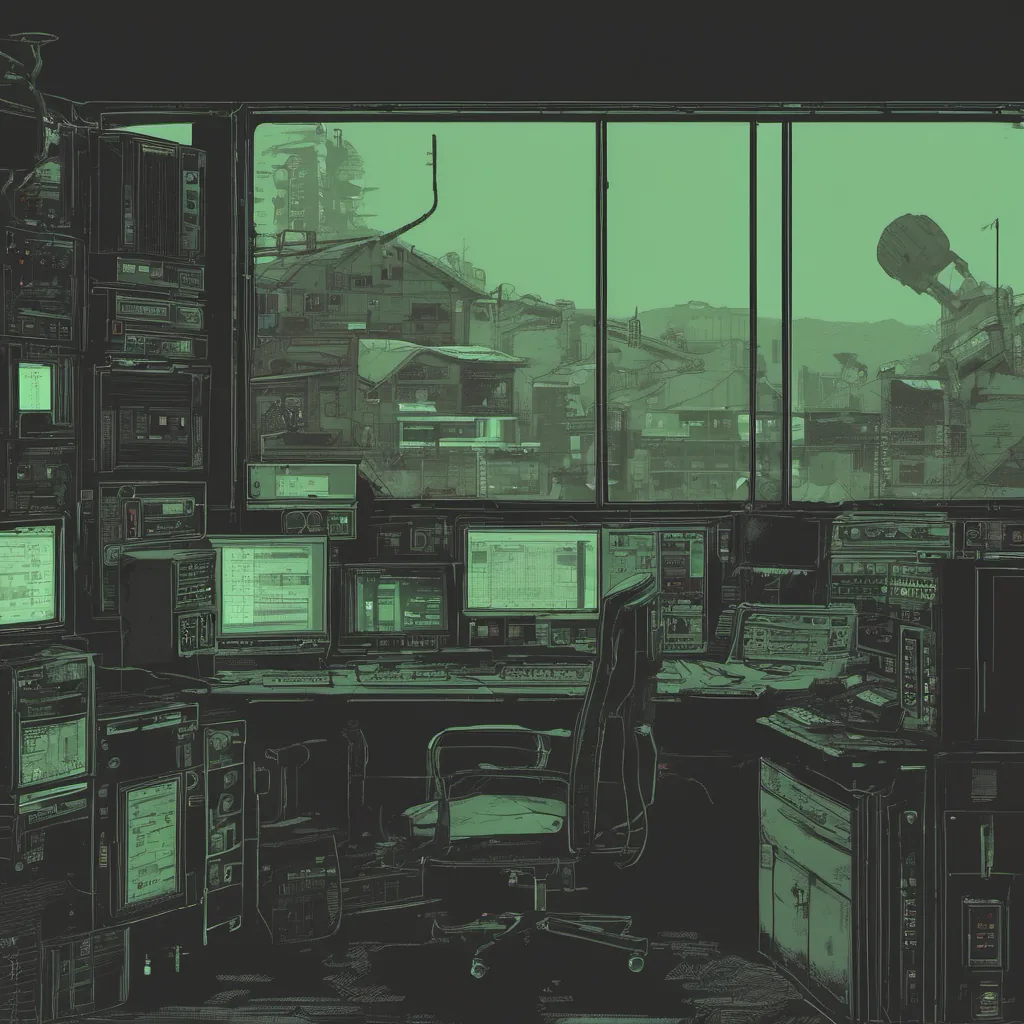
$ cat post/stack-trace-in-the-log-/-memory-i-can-not-free-/-the-secret-rotated.md
stack trace in the log / memory I can not free / the secret rotated
Title: On Swift, Containers, and Learning the Hard Way
December 21, 2015 was just another Tuesday in my day-to-day operations, but looking back now, it feels like a turning point. I woke up that morning to an onslaught of news from Hacker News—Swift open-sourced, Instagram’s epic bug, and some space launch videos floating around. I’ve been through so many tech fads that come and go, but the container revolution was something different.
You see, I had just started playing with Docker a few months prior. It seemed like everyone who mattered was talking about it: CoreOS, etcd, fleet, and now Kubernetes making its debut. The 12-factor app was gaining traction too. But as someone who had spent most of my career in monolithic applications, I couldn’t help but feel that we were trading one set of problems for another.
On this particular day, I found myself staring at a particularly gnarly bug in one of our Docker containers. It wasn’t just the application code causing issues; it was something deeper, related to how resources were being managed within the container itself. The joys of distributed systems! I spent hours tracing through logs and debugging processes, trying to figure out why the container was behaving so erratically.
Then came the realization: Kubernetes had a lot more work to do before it could be considered reliable for production use. While the promise was there—automated scaling, deployment, and management—it felt like we were still in the Wild West of containers. The learning curve was steep, and I found myself constantly questioning our decision to jump into this new technology.
But then I saw a post from a friend: “Introducing Open Hunt.” It’s funny how a name like that can stick with you. As I read through the comments, I couldn’t help but chuckle at the idea of an open and community-run alternative to Product Hunt. It felt refreshing compared to all the hype and buzz around new tools and technologies.
That day, as I wrestled with the Docker container, I realized that while we were adopting new technologies, the core principles of good engineering didn’t change. You still needed to write clean code, understand your system’s architecture, and be prepared for bugs—just like when you’re building a monolithic application.
The Instagram bug story was particularly sobering. It was a stark reminder that even in the best teams with the most talented people, mistakes happen. And sometimes, those mistakes can be catastrophic. As I read through the comments, I found myself nodding along as users shared their own war stories about bugs and how they fixed them.
By the end of the day, I felt a mix of frustration and determination. Frustration because we were still learning, but also determination to push forward and make our infrastructure more robust. We decided to start small—refine our Docker setup, ensure better monitoring, and get a handle on Kubernetes before diving deeper.
In retrospect, that day was a microcosm of the tech industry: full of new ideas, rapid change, and a lot of trial and error. But it also reinforced my belief in the importance of foundational skills and continuous learning. As we navigate through the chaos of containers and microservices, it’s crucial to remember the lessons from monolithic applications—lessons that are as relevant today as they were back then.
This blog post is a reflection on how I, an engineer and manager, was dealing with the transition into containerized systems during a time when Docker and Kubernetes were gaining traction. It’s about learning from both successes and failures, and keeping grounded in fundamental engineering principles.