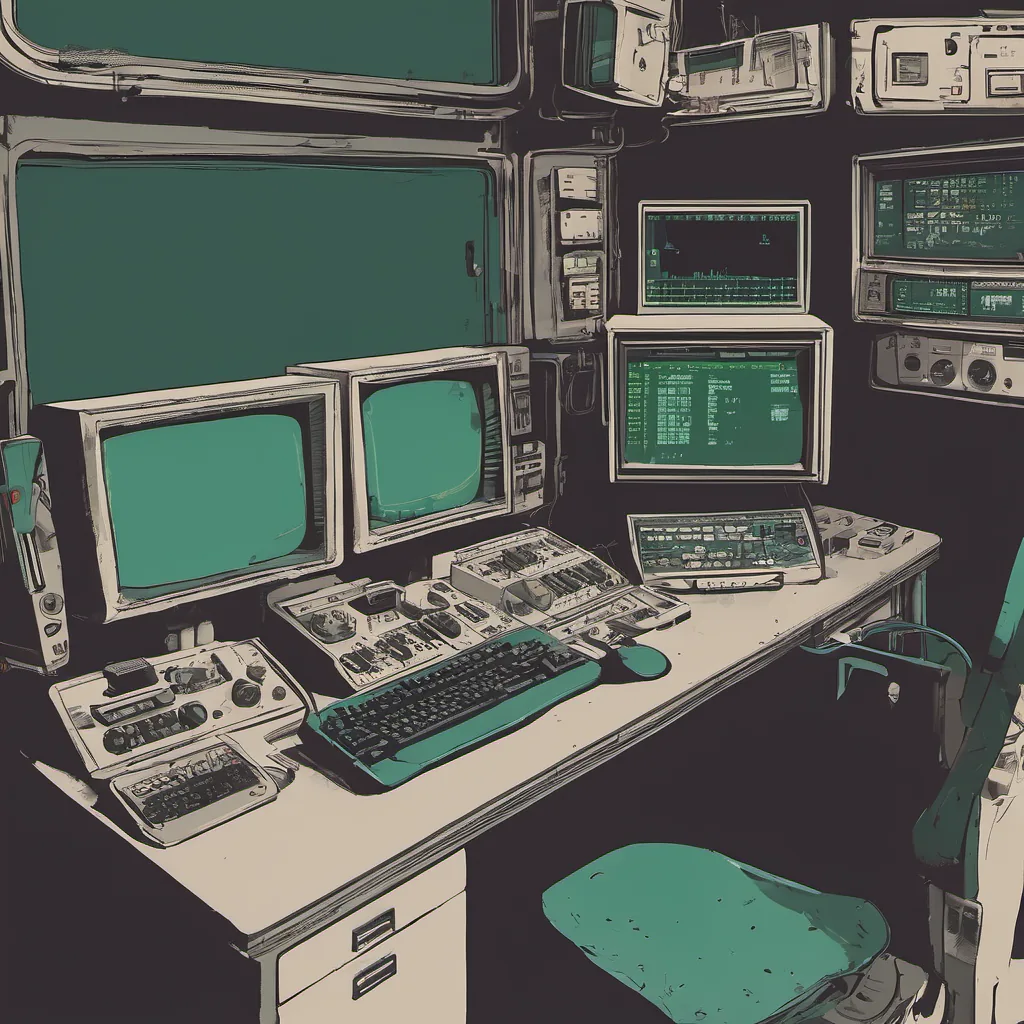
$ cat post/apt-get-from-the-past-/-the-load-average-climbed-alone-/-it-boots-from-the-past.md
apt-get from the past / the load average climbed alone / it boots from the past
Struggling with Linux on the Desktop: A Day in the Life
September 17, 2001.
I sat down at my desk today, and as usual, I had a few server maintenance tasks to tackle. Today was just like any other day—except this particular morning felt different. The news had been heavy lately, with the dot-com bust still fresh in everyone’s minds and the Y2K drama lingering on as we all tried to get our systems ready for the change of millennium.
But today, I found myself thinking about something a bit more mundane: our company’s move to Linux on the desktop. We were in the process of rolling out Red Hat 7.1 across the whole organization, and it was turning into quite the adventure.
The Setup
We had been using Windows XP for years, but with security concerns and rising costs, we decided that a switch to Linux would be more cost-effective. We wanted to save on licensing fees, which were killing our budget, especially as we navigated the post-dot-com bust landscape.
The plan was simple: install Red Hat 7.1 on everyone’s machines, configure the network, and get them up and running. Easy, right?
The Challenges
Well, let’s just say it wasn’t. First off, there were the usual complaints about the learning curve. People were used to a point-and-click interface; the command-line interface of Linux was alien territory for many. But that was just the beginning.
Network Configuration
One of our biggest challenges was network configuration. The Red Hat installer had some nice wizards, but we quickly found out that they didn’t always work as expected. People were reporting all sorts of connectivity issues—DNS resolution problems, incorrect IP configurations, and even authentication woes with our internal systems.
I spent hours on the phone helping users troubleshoot these issues. It was frustrating because I knew there was a simple fix for each problem, but it often took me five minutes to explain something that should have taken them two seconds. It made me question whether we were rushing this too much.
File System Issues
Then came the file system problems. We had custom configurations in place, including home directories on a separate partition and an NFS-mounted home directory for shared files. The transition wasn’t seamless; users would report that their files weren’t being saved properly or wouldn’t open.
It took us days to figure out that we needed to adjust the permissions settings on certain directories. Every time I thought everything was sorted, some user would come back with a new issue.
Security and Updates
Security updates were another headache. We had automated processes in place for Windows patches, but Red Hat’s update system was quite different. I spent countless hours figuring out how to automate package upgrades without breaking anything. It wasn’t just about installing packages; it was about ensuring that the entire ecosystem stayed in sync.
The Reflection
As I typed away at my own Linux desktop, I couldn’t help but think about how far we had come and how much work lay ahead. In some ways, transitioning to a new operating system felt like entering uncharted territory again—like the early days of the dot-com era when everyone was scrambling to figure out what would stick.
But there was something else too: a sense of optimism. We were building our systems from scratch, and with Linux, we had the flexibility to do so in ways that just weren’t possible with Windows.
The Next Steps
So today, as I wrapped up my day, I realized that while the transition wasn’t perfect, it was worth it. The learning curve might be steep, but the potential benefits—cost savings, enhanced security, and more control over our own systems—far outweighed the initial challenges.
I looked forward to tomorrow’s debugging sessions, hoping to get closer to a fully functional Linux desktop environment. For now, I would take solace in the knowledge that we were making progress, one problem at a time.
In 2001, as we battled with network configurations and file systems, little did we know how much our industry would change over the next decade. But for today, it was all about the small victories—and maybe, just maybe, surviving another day in tech.
That’s my take on that day. Linux on the desktop wasn’t a picnic, but as they say, the journey is half the fun!