$ cat post/first-commit-pushed-live-/-i-parsed-the-pcap-for-hours-/-the-deploy-receipt.md
first commit pushed live / I parsed the pcap for hours / the deploy receipt
Title: When Chef vs. Puppet Was Real
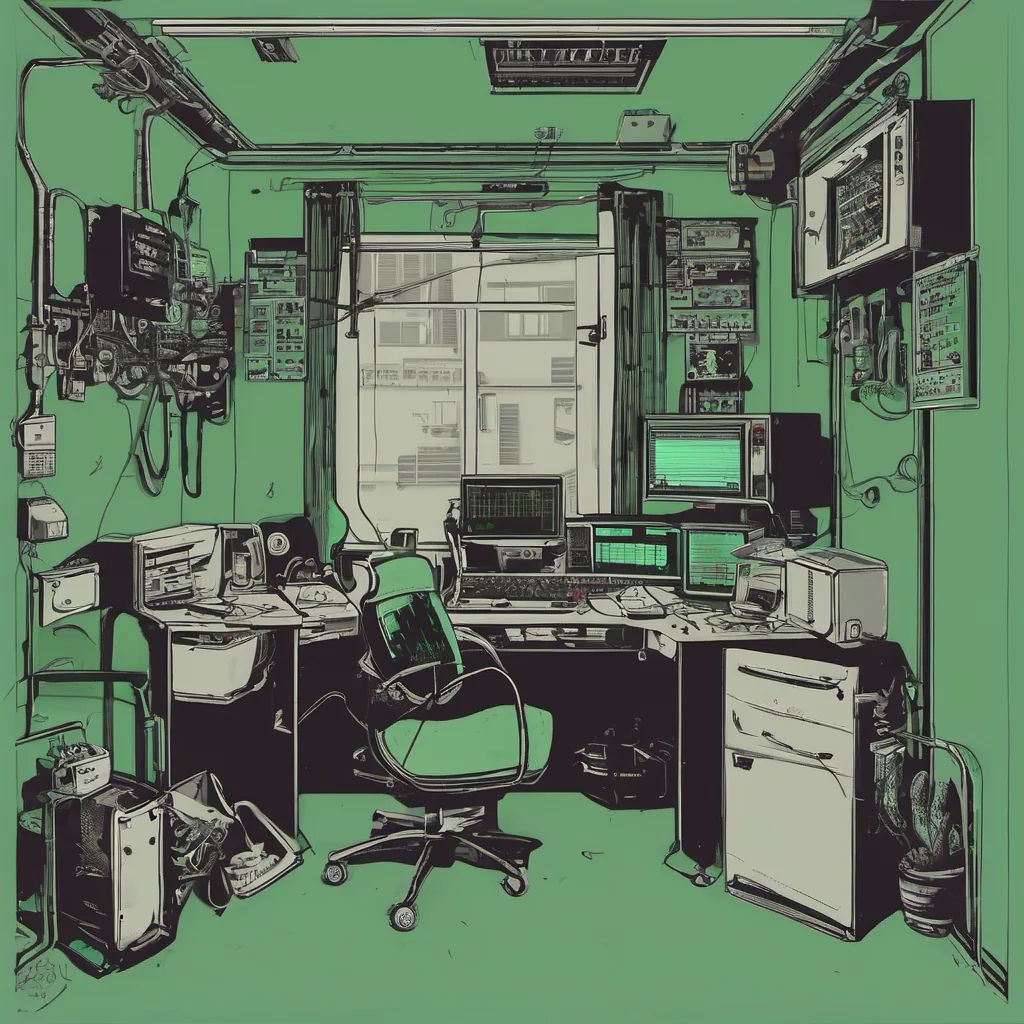
May 17, 2010 was a day that felt like the future had arrived in our little corner of the tech world, albeit with some unexpected twists and turns. I still remember sitting at my desk, surrounded by the hum of servers and the occasional ping of notifications, when the DevOps revolution began to roar into full view.
That morning, I found myself staring at a rather complex infrastructure issue. Our application was showing signs of instability, and we were running out of time for our next release window. The usual suspects—log files, database queries, and even server utilization metrics—weren’t giving us the answers we needed. It felt like something was amiss in the land of configuration management.
We had been using Puppet religiously for years, but as our infrastructure grew more complex, it started to feel a bit… well, clunky. Some on the team were advocating for Chef, and there was even talk about exploring other tools like CFEngine or even custom scripts. The “Chef vs. Puppet” debate was in full swing.
The core of the issue revolved around how we handled environment-specific configurations. We had a complex setup with multiple environments (development, staging, production) and each required different sets of packages, services, and configuration files. Puppet’s declarative approach seemed like it should make this easier, but as our complexity grew, so did the intricacies of managing manifests.
That day, I decided to dive deep into both systems to see if we could find a solution that would work for us without switching entirely. I spent hours debugging Puppet scripts, trying to optimize them, and tweaking variables. But every time I thought I had it under control, something would throw a wrench in the works. It was frustrating, but also exhilarating.
Meanwhile, our team was buzzing with discussions about which tool we should adopt. Some argued that Chef’s Ruby-based templates were more flexible and easier to work with, while others believed Puppet’s strict declarative nature was safer and less error-prone. The arguments got heated at times, but there was a general agreement that both tools had their strengths and weaknesses.
As the day wore on, I found myself in the middle of yet another argument. “What if we just try Chef for a while?” someone suggested. “If it doesn’t work out, we can always switch back.” It was a pragmatic approach, but the thought of potentially doubling down on something that might not be perfect wasn’t sitting well with me.
Finally, after what felt like an eternity, I had enough data to make a call. We decided to give Chef a shot for our next major deployment. The results were mixed at first, but gradually, as we optimized and fine-tuned the recipes, we started seeing improvements in both stability and manageability.
Looking back, that day was a microcosm of the broader DevOps movement. We were grappling with complexity, seeking better tools to handle it, and ultimately finding our way forward. The “Chef vs. Puppet” debate may have been a heated topic at the time, but it also pushed us to innovate and adapt.
In the end, we chose Chef for our next big deployment, and while the road wasn’t always smooth, we emerged stronger for it. This experience taught me that sometimes, the best solutions are those that come from hard-fought battles, not just smooth sailing. And who knows? Maybe in a few years, someone else will look back on this era with similar nostalgia and wonder.
That was one of those days when technology felt like it was evolving right before our eyes. The tools and practices we used were shaping the future of how we built and deployed software, and I was right there in the middle of it all.