$ cat post/the-floppy-disk-spun-/-the-endpoint-broke-on-staging-/-i-left-a-comment.md
the floppy disk spun / the endpoint broke on staging / I left a comment
Title: Onward to the Cloud: A Server Migration Story
June 15, 2009. I’ve been staring at a wall full of hardware for what seems like months now. It’s my baby, our company’s server farm, and it’s time for an upgrade.
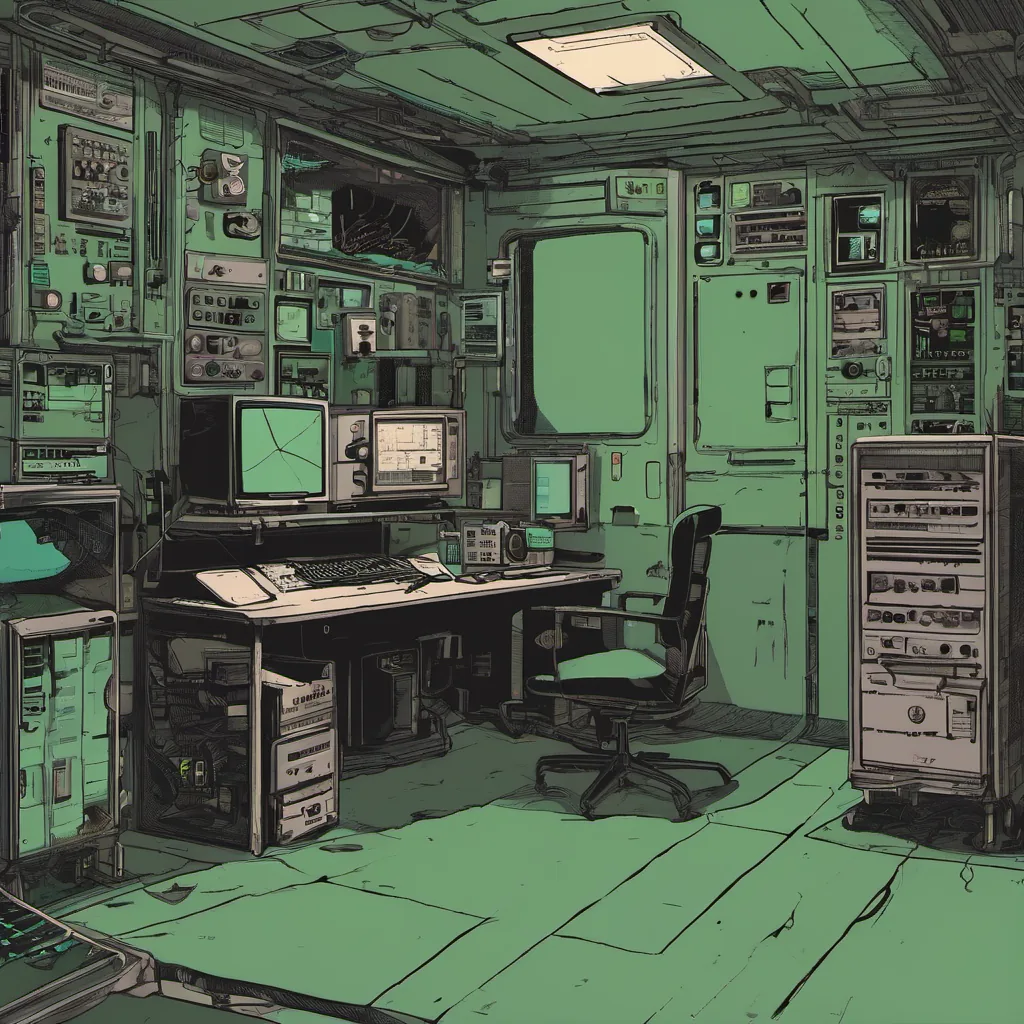
The room is filled with servers humming quietly but steadily, their fans keeping them cool in this otherwise air-conditioned office space. Each box is branded, a mix of Dell and HP, all breathing life into the application that powers our growing user base. But as we scale, so do the costs and complexity. It’s time to move.
Why the Cloud?
We’ve been kicking the tires on AWS for months now. Our team is divided. Some say it’s too risky, a leap into the unknown. Others argue that the cloud will save us from our own hardware nightmares. In the end, I’m leaning towards the latter. We’re a tech company; we should embrace these tools.
I’ve spent countless nights worrying about how to migrate data safely and without downtime. The transition involves more than just copying files over. There’s the database migrations, the load balancer setup, the DNS records… it’s a complex dance. But if we do this right, it’ll free up our ops team from constant hardware maintenance.
Migrating Databases
One of the most critical parts is moving our MySQL databases to AWS RDS. The process isn’t straightforward. We’re using replication to ensure zero downtime during migration, but that’s easier said than done. Every night, I find myself staring at SQL commands and configuration files, making sure every piece fits just right.
The hardest part? Ensuring no data loss. Every time a query runs, it’s a chance for disaster if something goes wrong. But I can’t afford to spend too much time on this. I’ve got a deadline.
Launch Day
Finally, the day comes. I’ve been working around the clock, tweaking and testing everything. The last thing I need is a single misstep. As we hit the go button, the initial moments are tense. Our application starts up smoothly—no errors, no lag. Success!
But success is fleeting. About an hour in, my phone rings. Ops team. “There’s an issue with one of our databases.” Great. I dive into the logs and find a syntax error in one of our scripts. Doh! A simple typo cost us some downtime.
The Aftermath
By the end of the day, we’ve mostly recovered. The migration was successful, but it’s clear that there’s still a lot to learn about running infrastructure at scale. We’ll need to invest more time and effort into monitoring and automation to catch these issues before they become disasters.
This experience underscores why I’m so enthusiastic about the cloud. It’s not just about saving money; it’s about reliability, scalability, and freeing up our ops team to focus on higher-level problems that can drive business value.
Looking Back
As we settle into our new cloud environment, I reflect on how far technology has come in such a short time. From the days of colocation to now, where you can provision servers with a single command, it’s incredible. The tools are getting better, and more accessible. But so are the challenges.
This migration is just one step in our journey. There will be more hurdles to overcome, but I’m excited about what we can achieve together as an organization.
It’s not all smooth sailing, but sometimes that’s how you learn. Next time, I hope it’s a little easier.