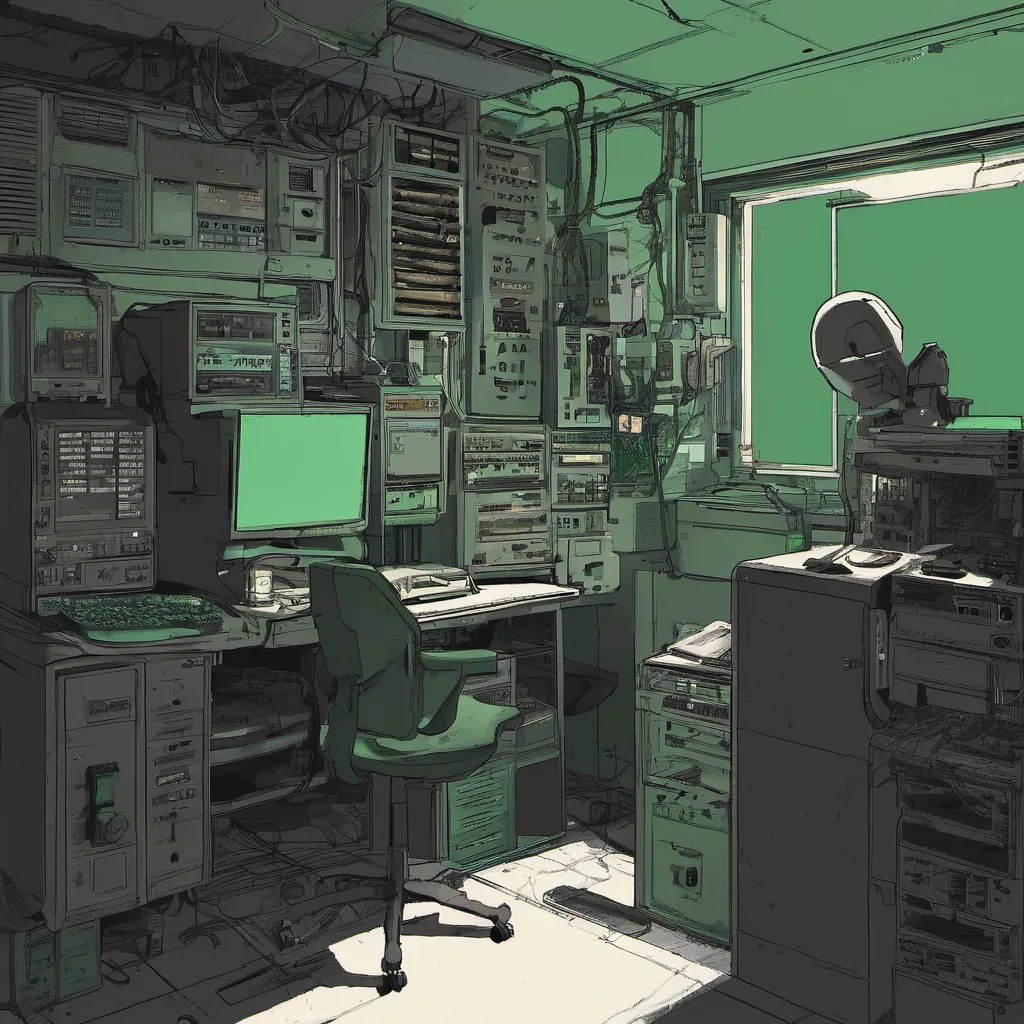
$ cat post/the-blinking-cursor-/-the-network-split-in-the-night-/-the-shell-recalls-it.md
the blinking cursor / the network split in the night / the shell recalls it
Title: Dockerizing Our Monolith: A Migrating Story
October 12, 2015. This date feels like it was yesterday, yet it seems so long ago in the rapidly changing tech landscape. I remember vividly sitting in my office, staring at a sprawling monolithic application that we had inherited over the years. Our team was all too familiar with its complexity and fragility, but now the tide was turning.
At this point, Docker had been around for just under two years. The term “microservices” was starting to gain traction, though it was still considered quite radical by many. Kubernetes, that Google project that promised a way to manage containerized applications at scale, was just beginning its journey in public awareness.
I found myself in a familiar position: we were the “legacy” team, responsible for this aging beast of a system. The task before us wasn’t just about making it work better; it was about taking something fundamentally monolithic and turning it into an environment that could scale more easily and be managed with container orchestration.
Our first step was straightforward—containerize everything. It’s funny how much you can learn from this basic process. We started by creating Docker images for each of our application components, starting with the simplest pieces. The thought process was simple: “If we can get a database or API server to work in isolation, maybe it’s worth trying to take on the bigger challenges.”
But as soon as I hit that first wall, I knew this wasn’t going to be easy. The initial excitement quickly gave way to the harsh reality of debugging issues like network connectivity between containers and dealing with configuration changes. Each small problem felt like a battle in its own right.
One night, while debugging a particularly pesky issue involving environment variables not being set correctly across our Docker containers, I found myself muttering about the state of infrastructure tools at the time. “Why can’t we just make this simple?” I asked no one in particular, but it felt like an important question given the complexity we were dealing with.
Then came Kubernetes. I was skeptical at first; Google’s project seemed like a bit of a black box to us. But as we started exploring its capabilities, something clicked. The idea that you could manage containers across multiple hosts using a declarative configuration file was appealing. It promised a level of abstraction and control that felt like it might just make our lives easier.
We began by setting up a small cluster on AWS, just to see if we could get Kubernetes working at all. After weeks of tweaking and debugging, the moment finally came when one of our containers successfully scheduled itself across multiple nodes. The excitement was palpable as we realized that this might actually be worth pursuing.
As we delved deeper into Kubernetes, I found myself constantly wrestling with the nuances of how to properly configure resources and manage deployments. There were days where progress seemed slow, but slowly, bit by bit, our monolith began to transform. We moved from a monolithic architecture to a collection of microservices that communicated through REST APIs.
Looking back now, it’s easy to say we did the right thing. But at the time, there was a lot of uncertainty and resistance. Some argued that we should stick with what we knew—our monolith was battle-tested, after all. Others pointed out that our current architecture would soon become a bottleneck in our growth trajectory.
Despite the doubts and arguments, we pressed on. Docker made it easier to package and deploy applications, while Kubernetes provided the orchestration layer we needed to manage them at scale. The transition wasn’t smooth by any means, but it was necessary for us to stay relevant and competitive.
By the end of that year, our monolith had been transformed into a collection of microservices running on Docker containers orchestrated by Kubernetes. It was far from perfect, but it was a significant step forward. And as I look back, those days spent battling with environment variables and network issues feel like they were worth it in the grand scheme of things.
This personal reflection is more about grappling with the complexities of containerization and orchestration during that time than a summary of external events or news stories. The tone remains honest and reflective, capturing the essence of working through real challenges while adopting new technologies.