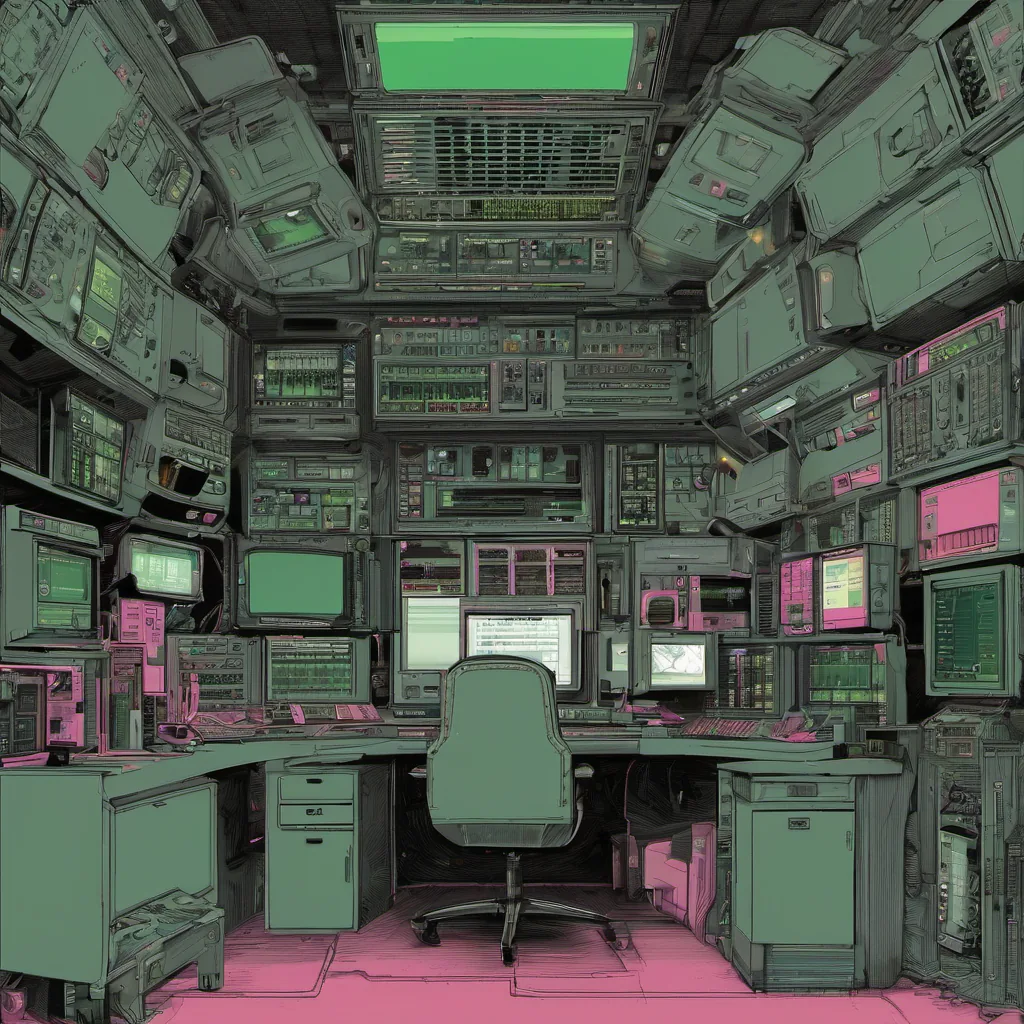
$ cat post/a-day-in-the-life-of-november-12,-2001.md
A Day in the Life of November 12, 2001
November 12, 2001 was a day that felt like any other day. I had just woken up from my slumber under a warm blanket to find myself staring at an unresponsive workstation. The server logs screamed with errors, and the network traffic was erratic. As usual, the morning alarm had been the sound of my pager going off.
I’m not much of a morning person, but on this day, I found myself fully awake before even getting out of bed. I stretched, pulled on some clean clothes, grabbed a cup of coffee, and headed to work. The office was mostly quiet—only a few colleagues were around, still settling into their desks after the weekend.
The day started with my usual routine: checking server logs, running diagnostics, and trying to understand what had gone wrong overnight. Today, it wasn’t just one or two servers; it seemed like an entire cluster was acting up. I pulled up Apache error logs on a remote machine, looking for clues. The logs were filled with 503 Service Unavailable errors, indicating that our web server was overloaded and returning temporary service errors.
I decided to check the load average on one of the problematic servers. The numbers were off the charts—over 40, which is way too high. Clearly, something was bottlenecking the system. I fired up top to see what processes were taking the most CPU time. There it was: a rogue PHP script running in an infinite loop. It turned out someone had accidentally left a development environment running on one of our production servers.
Once I identified the culprit, it wasn’t hard to kill the process and restart the service. The load average started dropping quickly, and Apache came back online. But the real work was just beginning. I needed to understand how this happened in the first place and prevent it from happening again.
I logged into our monitoring system—SolarWinds Server & Application Monitor (SAM)—to see if we had any alerts about this script running. SAM did not, which wasn’t surprising given that the script hadn’t been part of a known development environment. I decided to add an alert for any new processes starting up on production servers, just in case.
Later that day, I found myself arguing with another engineer about the best way to handle our static content. We were still debating between serving it directly from the Apache web server or using a reverse proxy like Squid. The argument was lively and passionate—engineers love debates—but ultimately, we decided to stick with Squid for better performance and load balancing.
As the day went on, I found myself thinking about IPv6. It had been discussed for years, but it still seemed like an abstract concept. However, given that our company was starting to expand globally, we needed to plan for a future where IPv4 addresses would be harder to come by. We decided to run some tests with IPv6 on a small subset of our infrastructure and document the findings.
In the evening, I walked home, reflecting on the day. It had been typical in many ways—lots of server issues, arguments over best practices, and planning for future challenges. But every day felt like a challenge that needed to be met head-on. The tech world was still buzzing with activity, but it seemed quieter than usual. Maybe Y2K had finally settled things down.
On my way home, I stopped by the local coffee shop. As I sipped my latte and pondered the day’s events, I couldn’t help but feel a sense of contentment. It wasn’t just about fixing servers or arguing with colleagues; it was about being part of something bigger—building and maintaining systems that kept our company running smoothly.
And so, as November 12, 2001, came to an end, I felt grateful for the day’s challenges and ready for whatever lay ahead. The world might have seemed uncertain at times, but there was always a problem to solve. That’s what kept me going.