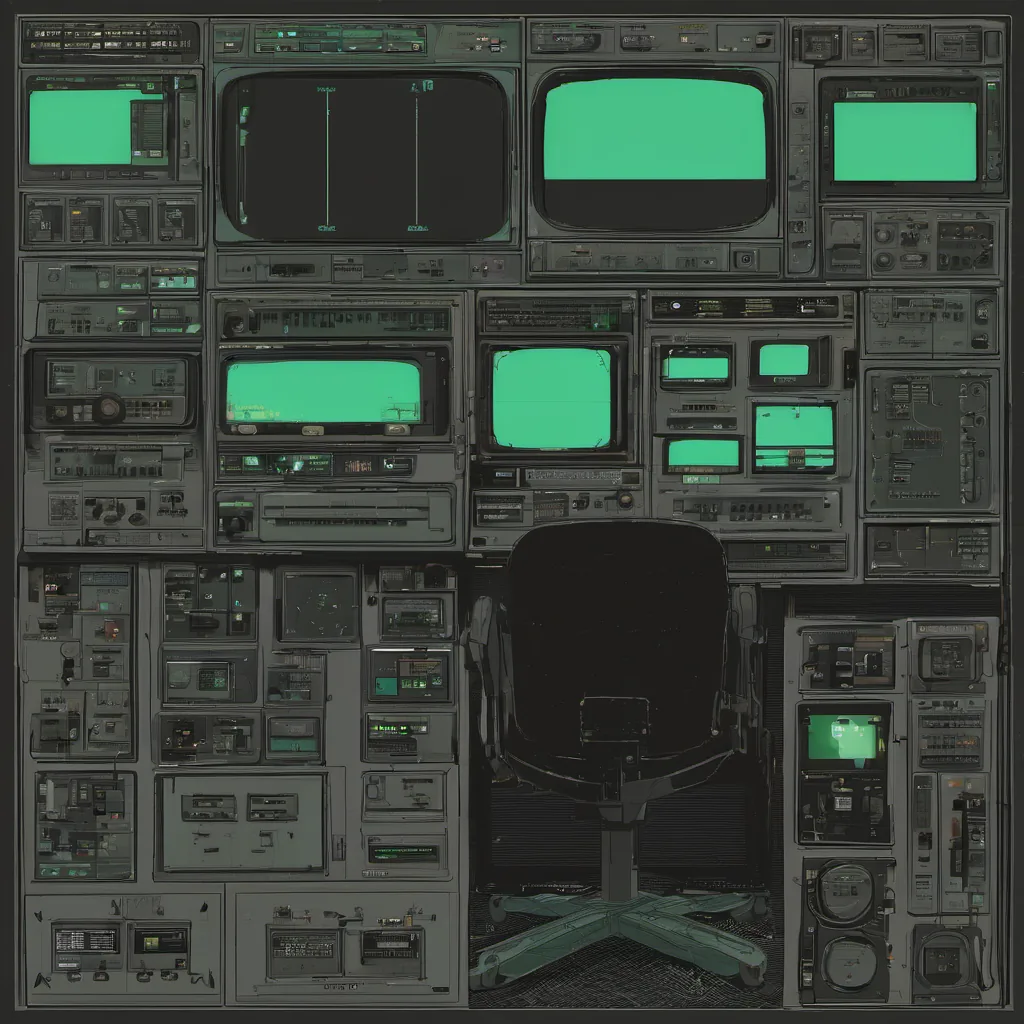
$ cat post/vi-on-a-dumb-term-/-a-webhook-fired-into-void-/-no-rollback-existed.md
vi on a dumb term / a webhook fired into void / no rollback existed
Title: Reflections on 9/11 and the Tech of September 2006
September 11th is a day that will always be etched in my memory. It was a clear Tuesday morning when I got up early to head into the office in San Francisco. Little did I know how this day would affect not just the city, but also the tech industry and my personal life.
I remember walking through the streets of the Financial District on that fateful morning. The air was thick with an uncomfortable silence, a stark contrast to the usual bustling activity. By the time I reached work, the news had already spread like wildfire; we were instructed to remain in our offices due to some kind of emergency.
That day, as we all huddled together listening to the radio and watching TV, the reality of what happened began to sink in. The world seemed to pause for a moment, as if everyone collectively held their breath. The tech industry was not spared from this profound impact, and many of us wondered how it would affect our future.
Tech World 2006
The tech landscape back then was a mix of both excitement and uncertainty. The LAMP stack (Linux, Apache, MySQL, PHP/Perl) was everywhere, powering websites from tiny blogs to massive e-commerce platforms. Open-source tools were gaining traction, and the Xen hypervisor was being widely adopted for virtualization. Google was on an aggressive hiring spree, while Firefox had just launched, shaking up the browser market.
Web 2.0 was a buzzword that seemed to encapsulate everything from Digg and Reddit to social networking sites like MySpace. These new platforms were revolutionizing how people interacted online, but they also brought challenges in terms of scalability and security.
A Day at Work
In my role as a platform engineer at a startup, our focus was on making the infrastructure reliable and scalable enough to support rapid growth. We spent countless hours optimizing server configurations, writing scripts for automated deployment and monitoring, and debugging issues that seemed trivial but could bring down an entire service.
That day, I found myself in a meeting discussing the upcoming release of a new feature. The team was split on whether we should go with a quick-and-dirty solution or invest more time to make it robust. I remember feeling torn between the urgency to ship and the desire for quality. In the end, we decided to take the safer route and postpone some features until after the immediate crisis.
Reflections
As the weeks went by, life returned to some semblance of normalcy, but the tech industry was forever changed. Companies started thinking more about security and resilience, both in terms of infrastructure and culture. The incident highlighted the interconnectedness of the world and forced us to consider our role as technology workers beyond just writing code.
In personal terms, I found myself spending more time with family and friends, reflecting on what truly mattered. It was a humbling reminder that even as we build complex systems to make people’s lives easier, the most important thing is the human connection.
Looking Back
Looking back at 2006, it feels like another lifetime ago. Yet, those days still hold lessons for us today. The challenges of ensuring system reliability, dealing with emergencies, and making tough decisions are still relevant. The spirit of collaboration and openness that characterized the tech community then continues to drive innovation.
Today, as we reflect on 9/11, let’s remember not just the tragedy but also the resilience and unity that emerged from it. For in those darkest moments, humanity can shine brightest.
It’s a reminder that while technology is powerful, it’s the people behind it who truly make a difference.