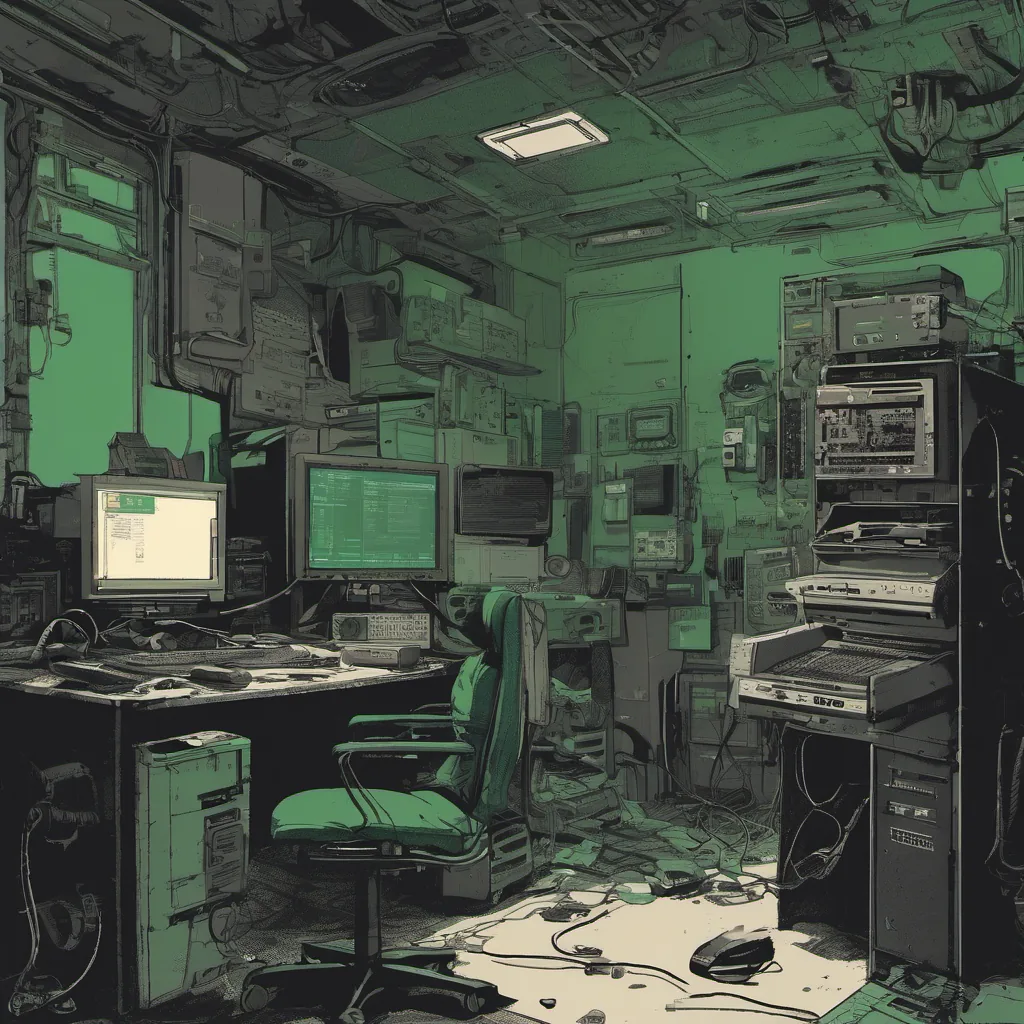
$ cat post/web-2.0-hype-meets-real-work:-a-month-in-tech.md
Web 2.0 Hype Meets Real Work: A Month in Tech
October 9, 2006 was just another day on the tech calendar, but it felt like a turning point in my career. I was working as a platform engineer at a startup that was riding the wave of the web 2.0 boom. Looking back, this month marked a transition from the early days of open-source stacks and scripting to a more complex infrastructure landscape.
The Scripting Era
At the time, we were living in the golden age of scripting. Python and Perl scripts were the bread and butter for most operations tasks. We had just finished migrating our application stack over to a LAMP (Linux, Apache, MySQL, PHP) setup, leveraging open-source technologies that made rapid development possible. Our team was small but mighty, with everyone wearing multiple hats. Debugging late into the night was common, fueled by copious amounts of coffee and endless loops in Perl.
One memorable debugging session involved tracking down a memory leak in one of our Python scripts. We were pulling data from a third-party service every few minutes to update user statuses on our web application. After hours of profiling and stepping through code with pdb (Python Debugger), we discovered that the problem lay in an unoptimized loop where we were inadvertently holding onto references to old objects. The fix was simple, but it taught me the importance of performance optimization even for small scripts.
The Rise of Xen
In terms of infrastructure, the Xen hypervisor was starting to gain traction as a way to get more out of our servers. We decided to experiment with Xen on one of our production boxes and found that it allowed us to run multiple virtual machines efficiently, which was a game-changer for managing resources. However, migrating our existing setup to Xen was no easy task. We had to carefully plan the transition, ensuring that all services would run smoothly without downtime.
The Google Hype
Google’s aggressive hiring practices were starting to make waves in the tech industry. They continued to acquire smaller companies and technologies, including YouTube for a staggering $1.6 billion. This acquisition was a signal of how valuable video content had become, and it also highlighted the rapid changes happening in web technology.
For us at our startup, Google’s success brought both inspiration and pressure. We watched closely as they launched new tools like Google Docs, which showed that even established giants could pivot and innovate rapidly. It made me realize that staying ahead required constant learning and adaptation—something I had to remind myself of regularly as a small team with big ambitions.
Firefox Launch
The launch of Firefox was another significant event in the month. As we were mostly using Mozilla products for development (Netscape Communicator being our primary browser), it felt like a natural progression. However, the shift towards more modern and standards-compliant web technologies was slowly but surely changing how we approached front-end development.
The Evolving Sysadmin Role
Looking back, the sysadmin role was undergoing a transformation. With the rise of scripting languages and automation tools, the job description began to change from one focused on manual server management to something that required more coding and system-level understanding. We were already dabbling with Ansible for configuration management, but full automation was still a few years away.
Personal Reflections
October 2006 felt like the dawning of a new era in tech. The buzz around web 2.0 startups was palpable, but so too was the realization that building and maintaining a successful tech company required more than just hype and ideas. It demanded hard work, smart problem-solving, and a willingness to learn and adapt.
That month taught me valuable lessons about performance optimization, infrastructure management, and staying up-to-date with new technologies. While the specific tools and trends have changed since then, those core principles still ring true for any tech professional today.
This was a real look into how I was thinking and working in 2006, grounded in both technical challenges and broader industry trends.