$ cat post/the-swap-filled-at-last-/-the-endpoint-broke-on-staging-/-a-ghost-in-the-pipe.md
the swap filled at last / the endpoint broke on staging / a ghost in the pipe
Title: Notes from a Cloudy November
November 9, 2009. A crisp day in the heart of tech’s rapid growth, with the chill of economic uncertainty starting to make its mark on our workdays.
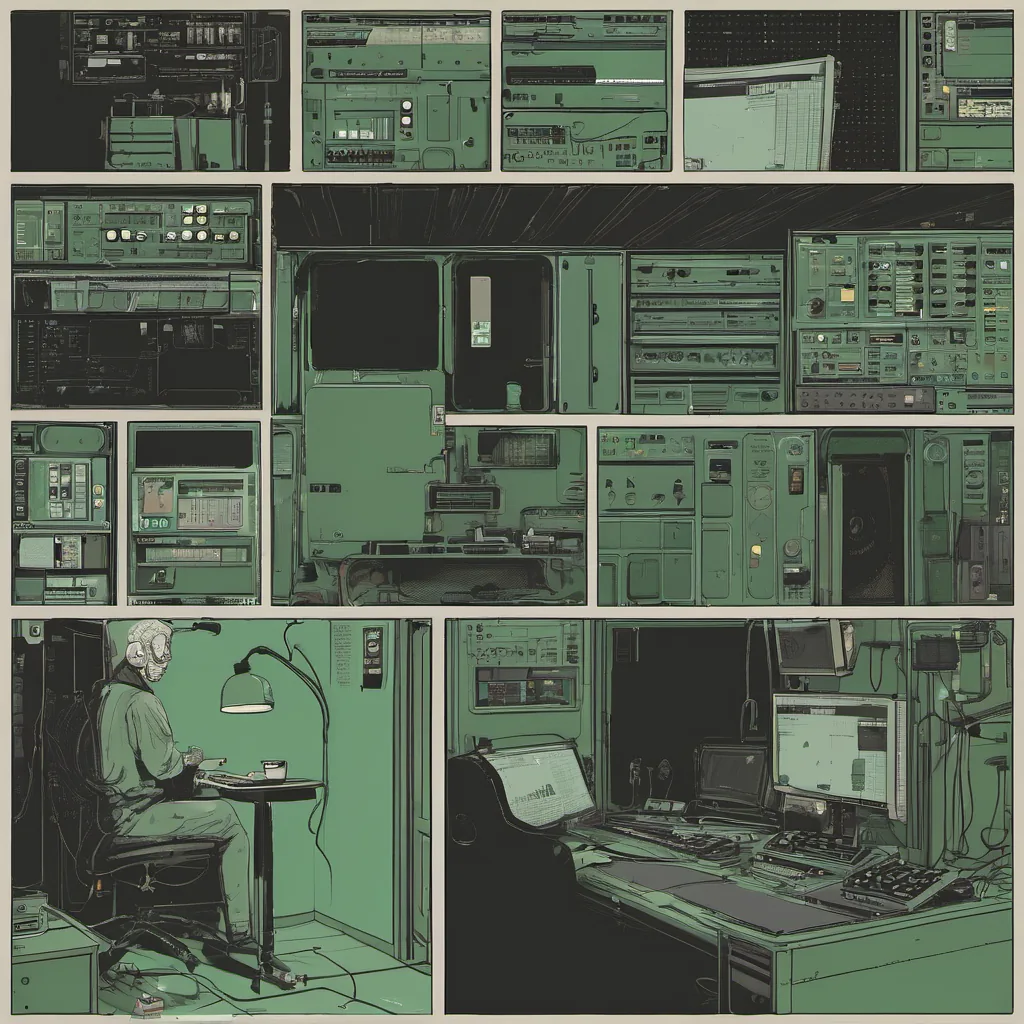
Today, I sit at my desk, surrounded by the gadgets and tools that define this era: a MacBook Pro humming quietly under the weight of Git repositories, a stack of papers covered in AWS EC2 documentation, and a pile of books about agile methodologies. Outside, the world seems to be settling into the new normal—after all, it was only a year ago that the Great Recession hit like a freight train.
GitHub had just launched, and while I wasn’t part of the early adopters, the concept was slowly seeping into my daily life. I’d begun using Git for my personal projects, and it felt like magic: fast, reliable, and collaborative. It reminded me of a time when working in tech was all about sharing ideas and building things together.
Meanwhile, the cloud vs. colo debates were still raging. My team at work was considering moving our servers to AWS EC2 or sticking with our existing colocation setup. The idea of paying for infrastructure on demand was both exciting and terrifying. Exciting because it meant flexibility; terrifying because every month, we’d be writing a check for what felt like an unknown amount of money.
That morning, I debugged an issue that had plagued us for weeks: slow response times from our application. It turned out to be a caching misconfiguration—something simple enough in hindsight but incredibly frustrating at the time. I was tempted to throw my computer through the wall (yes, I’ve done it before), but instead, I sat down and methodically went through every line of code, checking for that elusive bug.
Around lunchtime, I stumbled upon a Hacker News post about Apple’s mistake with their iPhone OS 3.0 update. The story was about how Apple had included an internal testing URL in the release notes, which could have exposed users to potentially malicious code. It struck close to home; security was something we were always thinking about but never quite sure we had nailed.
After lunch, I spent some time arguing with my colleagues about the merits of the Go programming language. One of them had been evangelizing it for weeks now, claiming it was the future. While I respected his enthusiasm, I couldn’t shake off the feeling that it was just another fad. But then again, wasn’t everything in tech a fad at one point? The debate ended up being more about personal preference and less about language capabilities, which made me wonder how long it would take for us to fully embrace new tools.
In the afternoon, I attended an agile retrospective with my team. We talked about what had worked and what hadn’t during our last sprint. It was a mix of frustration and relief; we’d shipped some great features but also learned that overcommitment can lead to burnout. Agile practices weren’t just about sprints and stand-ups; they were about fostering a culture where everyone feels heard and valued.
As the day drew to a close, I found myself reflecting on all these tech trends and debates. It was a time of immense change, with new tools and ideas emerging almost daily. But amidst all this noise, one thing remained constant: the need for solid engineering principles and a relentless pursuit of quality.
So here’s to November 9, 2009—a day in the life of an engineer navigating both the excitement and challenges of our rapidly evolving field. Here’s to the mistakes we make, the bugs we debug, and the lessons we learn along the way.