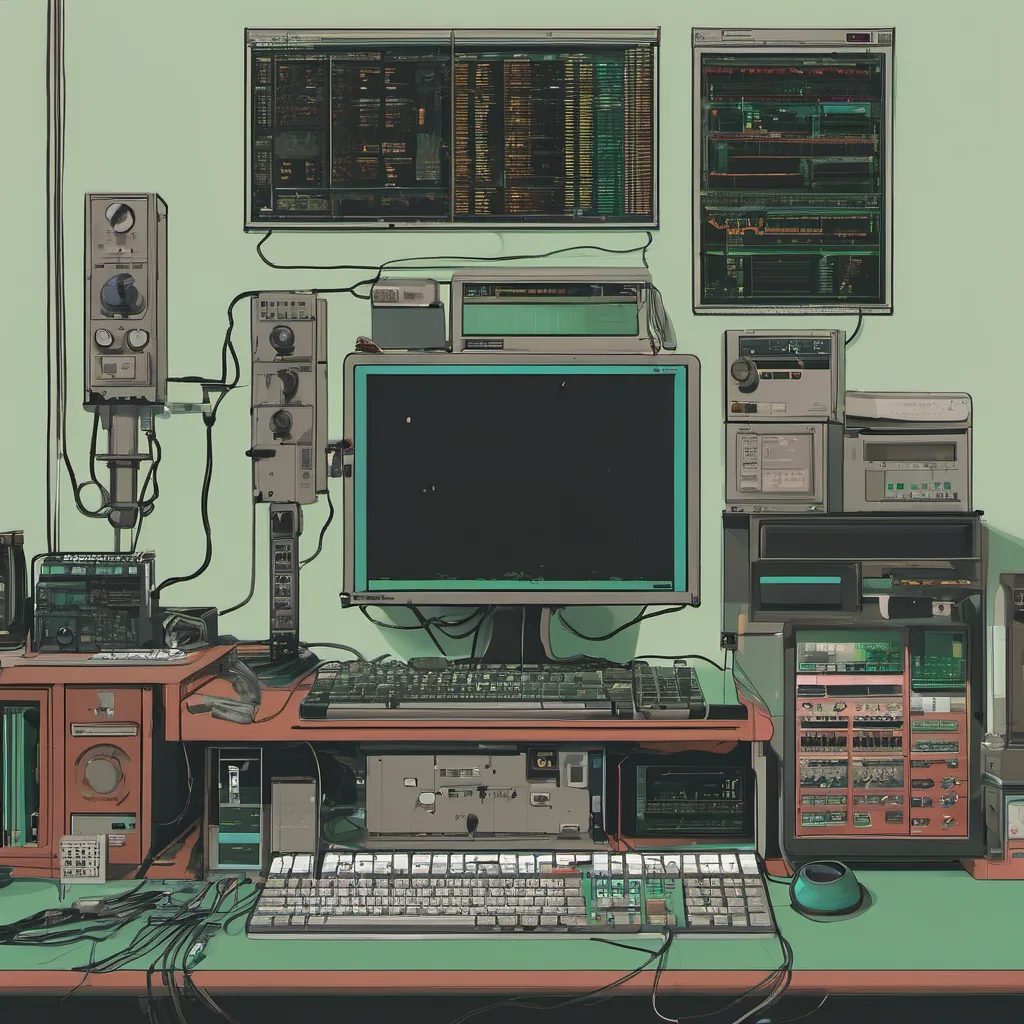
$ cat post/make-install-complete-/-we-containerized-the-past-/-the-signal-was-nine.md
make install complete / we containerized the past / the signal was nine
Title: Linux on the Desktop: A Dream That Wasn’t Just Yet
April 9, 2001. The dawn of a new millennium—yet another era where the future seemed just around the corner. Back then, I was working at a tech startup in the heart of Silicon Valley, and we were all about making Linux on the desktop real. We had big dreams, but like many dot-coms, our reality check came with the dot-com bust.
You see, we believed that Linux could be the future of the desktop. The idea that an open-source operating system could challenge Windows was a wild thought at the time. But hey, why not dream big when everything felt possible?
One of my main tasks involved setting up and maintaining our development environment on Linux servers. It was like trying to build a house with only blueprints and half the tools you needed. We had to piece together solutions from various open-source projects and custom scripts just to get things working.
I vividly remember the first time we tried running X11 applications—our eyes widened as graphical interfaces sprang to life on our terminals. It was like a small victory, a step towards making Linux more user-friendly. But then came the real-world challenges. File systems were slow; hardware support was patchy at best. Every application felt like it needed its own special configuration.
One day, I spent hours trying to get an SSH server running on our test machine. After countless attempts, I finally got it up and running. It was a small win, but the struggle was real. The debug logs were full of cryptic messages, and my frustration grew with each failed attempt. I felt like every step forward was countered by five steps back.
But even in those early days, there was something captivating about the community around Linux. People were passionate, sharing knowledge freely, and helping one another through forums and mailing lists. It’s hard to capture that feeling today when everything is so automated, but back then, it felt like part of a movement.
We spent countless nights arguing about the merits of various distributions and tools. Should we go with Red Hat or Debian? GNOME or KDE? The debates were heated, but they kept us engaged and motivated. There was an unspoken sense that by working on this project, we were contributing to something much larger than ourselves.
The truth is, our dream didn’t fully come true at that startup. The dot-com bubble burst before we could really get things off the ground. But looking back, I’m proud of what we accomplished. We pushed the boundaries of what was possible and contributed to a growing community.
Linux on the desktop may not have been as prevalent in 2001 as it is today, but that’s part of its appeal—there’s still so much room for improvement. The early days were filled with challenges, but they also taught me valuable lessons about perseverance, collaboration, and the importance of open-source communities.
So here’s to those early days of Linux on the desktop, a reminder that sometimes it takes a little more than just technical know-how to make something happen. It takes dreaming big, working hard, and believing in the impossible.