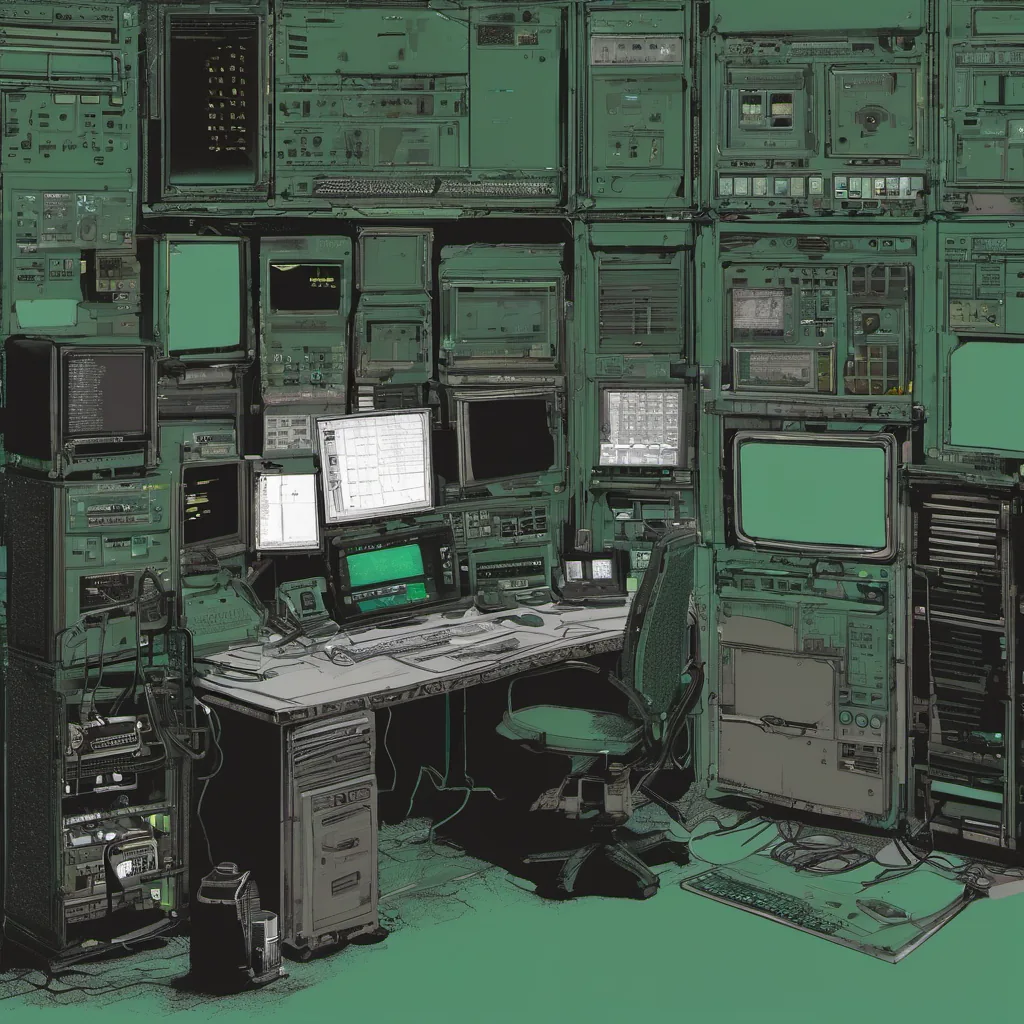
$ cat post/a-day-in-the-life-of-an-ops-guy-in-2004.md
A Day in the Life of an Ops Guy in 2004
March 8, 2004 was just another day for me. Back then, it felt like time moved slowly, but looking back, those days were packed with intense work and rapid change. The tech world had just started to embrace open-source stacks with a fervor that made me feel part of something big.
Today, I spent most of my morning dealing with Xen hypervisors. We were still in the early days of virtualization, trying to iron out kinks before we could fully commit to it as our primary infrastructure solution. There was a bug that kept causing random crashes on some of our servers—something that had been bugging me all week. I sat down with my team and walked through the logs again. The stack traces were clear, but figuring out why the crashes were happening in certain environments was a puzzle.
We decided to pull in some additional logging and run a couple of stress tests. It wasn’t glamorous, but it was necessary for us to truly understand what was going on. We spent hours analyzing core dumps and comparing them with our application logs. By mid-afternoon, we had narrowed down the issue to a race condition during memory allocation. It was one of those moments where I felt like I had hit a wall. The solution seemed obvious in hindsight: implement a mutex around the critical section.
But implementing it wasn’t as straightforward as it looked. We were using Python at this point for most of our scripts, and we hadn’t fully embraced threading yet. So, I spent some time writing a simple mutex implementation in Python. It felt clunky and inelegant, but it worked. The crashes stopped, and the servers started running smoothly again.
By lunchtime, my stomach was rumbling, so I hit up the local cafe down the street. As I sat eating my sandwich, I couldn’t help but think about how much things had changed in just a few years. Back when I first got into this field, it felt like you were building an entire system from scratch every day. Now, with all these open-source tools and frameworks, we could put together something that was almost production-ready within weeks.
The thought brought both excitement and frustration. Excitement because the tools made our jobs so much easier; frustration because the rapid pace of change meant there wasn’t a lot of time to get things right before they were obsolete. We had just started using Django for some projects, which felt like a breath of fresh air compared to dealing with Apache configuration files all day. But even Django was evolving fast.
After lunch, I headed back to the office and spent an hour writing up a proposal on how we could transition our infrastructure fully into Xen. It involved a lot of research and some risky changes, but it was necessary if we wanted to move forward. By the time I finished, my eyes were starting to feel heavy. I decided to take a short break, maybe do some coding in Firefox (which had just been released).
A few hours later, I found myself arguing with a colleague about whether we should switch to Perl for all our automation scripts. He argued that Python was easier and more readable, while I felt that Perl’s power made it better suited for certain tasks. We debated back and forth, each of us passionate about our points.
As the day drew to a close, I couldn’t shake off the feeling of excitement and pressure. The tech world was moving at breakneck speed, and every day felt like there were more things to learn and adapt to. But that’s what made it so interesting. As an ops guy, my job was never dull; today just happened to be one of those days where the learning curve was particularly steep.
I headed home feeling tired but fulfilled. The journey ahead seemed daunting, but I knew it would be worth it if we could keep up with this pace and deliver something truly innovative. After all, that’s why we chose this path in the first place—because every day brought a new challenge to tackle.
[End of Post]