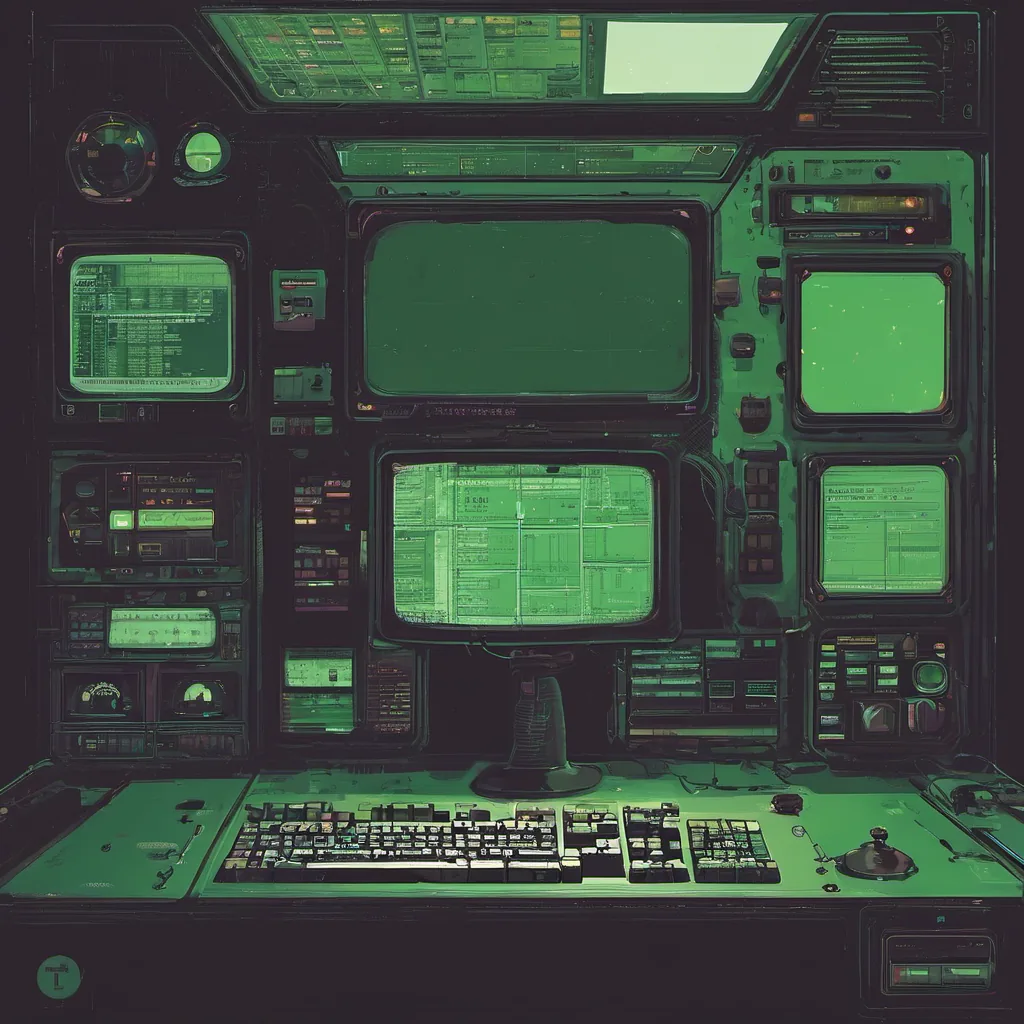
$ cat post/dial-up-tones-at-night-/-i-still-remember-that-ip-/-i-strace-the-memory.md
dial-up tones at night / I still remember that IP / I strace the memory
Title: July 8, 2013 – Dockering Around with the Internet’s Eyes on Us
July 8, 2013. The day I started using Docker on a new project at work and almost simultaneously found out that the NSA was reading nearly everything we did online. It’s hard to believe how much of our current technological landscape was just beginning to take shape back then.
The Docker Debut
I remember the excitement when Docker hit the scene in 2013, but I also recall my initial skepticism. “Why do you need this?” some of the more traditionalists might ask. But the simplicity and power of containers were undeniable. We had a project that required multiple services running on different environments, and setting up those environments was always a pain.
So we decided to give Docker a try. I set it up on our test server, installed docker from the package manager, and started creating images with Dockerfile. The first time I ran a container, I felt like a kid in a candy store—so many services available at my fingertips!
But as fun as it was to experiment, there were still growing pains. Docker’s ecosystem wasn’t fully mature yet. We had issues with dependencies and configurations that weren’t always straightforward. But the potential was clear, and we were ready to dive deeper.
The NSA Revelations
Just a few days after starting our Docker adventure, the story of XKeyscore hit Hacker News. It was like the tech world was staring right at us and saying, “Hey, we’re watching you.” Reading about how much data could be collected on users made me stop and think about what I was doing.
I mean, here we were trying to modernize our infrastructure with Docker containers, all while knowing that the eyes of the world’s most powerful intelligence agency might be tracking us. It felt both exhilarating and a bit frightening.
The Hacker News Hype
The other stories on Hacker News that month were equally fascinating. The 180-website project in 115 days? I admired the spirit but knew it was probably unsustainable. Doug Engelbart’s passing was bittersweet; his legacy continues to inspire those of us who push the boundaries of what technology can do.
But there was something about “Do Things That Don’t Scale” that really struck a chord. It resonated with my own struggles and successes in ops, where sometimes you just have to dive headfirst into something and see how it works out.
The Real Work
Back at work, we were still arguing about whether to move fully to Docker or stick with our old setup. There was resistance from some team members who preferred the familiar. But I was convinced that containerization would save us time and headaches in the long run.
One night, I spent hours troubleshooting a weird issue where a service just wouldn’t start inside a container. It turned out to be an environment variable conflict between the host and the Docker image. A simple fix, but it highlighted how much you had to pay attention when setting up these containers.
I also started exploring Kubernetes, which seemed promising for managing multiple containers. But as of July 2013, it was still in its infancy, and we were hesitant to adopt something so new and unproven.
Looking Back
Now, looking back at that moment in time, I can see how much everything has changed since then. Docker became a standard in the industry, Kubernetes grew into an entire ecosystem of its own, and SRE practices have become more prevalent as companies realize the importance of operational excellence.
But even with all the progress, it’s important to remember where we started—how raw and exciting those early days were, full of both challenges and opportunities. And perhaps most importantly, how much we can still learn from our mistakes and adapt to new technologies.
July 8, 2013—another day in tech history that shaped the way we work today.
That’s my take on July 8, 2013. Hope you found it interesting!