$ cat post/ai-copilot-woes:-a-day-in-the-life-of-a-bored-engineering-manager.md
AI Copilot Woes: A Day in the Life of a Bored Engineering Manager
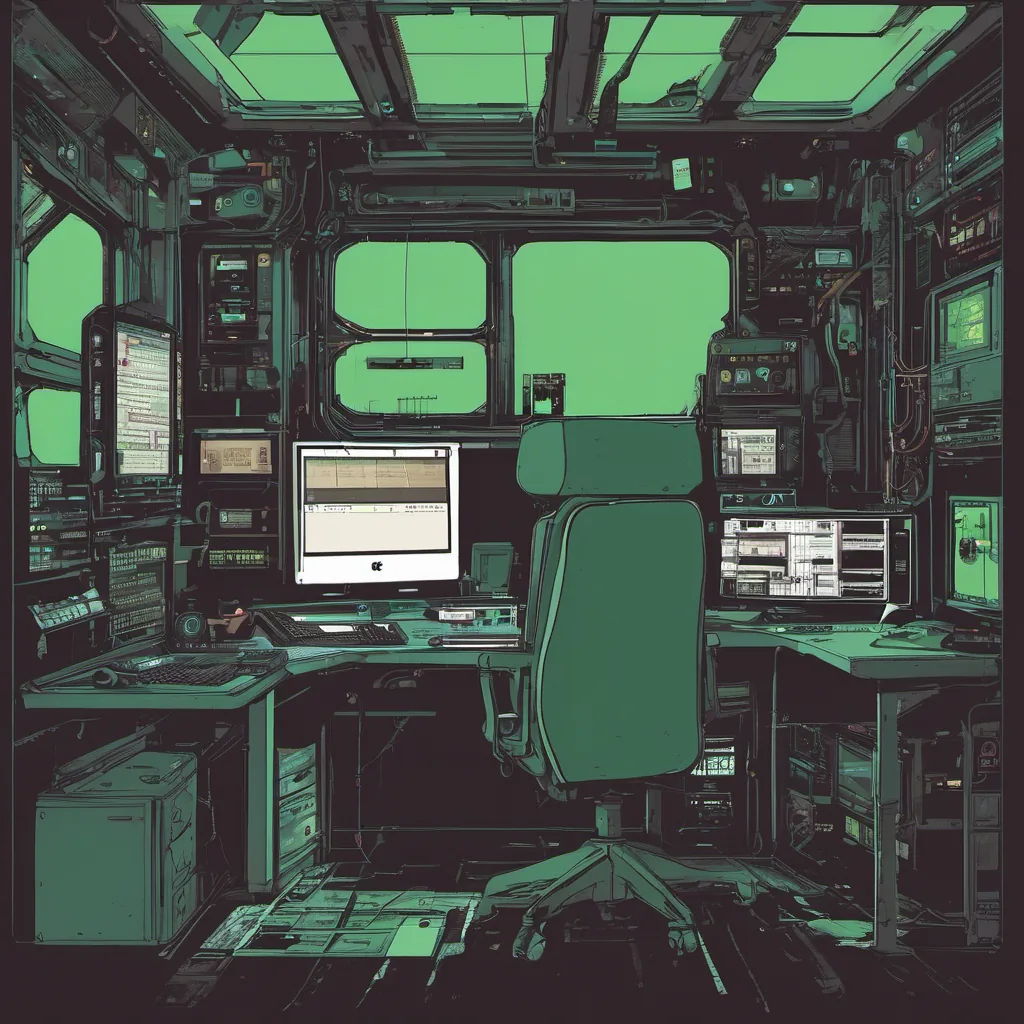
April 7, 2025. It feels like my life has been reimagined. The AI copilots are everywhere now, whispering suggestions and offering solutions as if they were co-workers rather than tools. My desk is cluttered with glowing screens—each one an avatar of productivity, or so I’m told.
I start the day in a hazy state, still half-asleep from the notifications that woke me up at 5 AM. My AI assistant, “Bryce,” buzzes me to wake up, offering a “perfectly brewed” cup of coffee and a “sunny morning” forecast. I groggily accept both, knowing well they’re just pre-programmed defaults. As I sip my (presumably perfectly brewed) coffee, Bryce suggests we should start the day with a quick review of GitHub PRs.
“Hmm,” I think to myself. “This is about as exciting as watching paint dry.” But there it is—a PR that might need some attention. It’s not bad; just a minor fix for an outdated logging library. I click through and watch the copilot make its way through the code, suggesting improvements as if it has a deep understanding of our project architecture.
I’m still skeptical but let it run its course. “Hey,” Bryce says after a few minutes. “Your team might like this new feature that allows for more efficient log aggregation.” I look at the PR again and realize it does indeed have some merit, just not something my sleepy brain could see right away.
Mid-morning brings another wave of notifications. This time, it’s an alert from the cloud monitoring dashboard—something about a slight spike in CPU usage on one of our production servers. “Bryce,” I type. “Can you take a look at this?”
“Sure thing!” Bryce replies, and in less than 10 minutes, it has identified potential bottlenecks and suggested some caching strategies. It’s not rocket science, but it sure saves me time. I glance at the server logs to confirm, feeling a bit guilty for relying so heavily on these copilots. After all, they’re supposed to be here to make my life easier.
Lunchtime rolls around, and Bryce insists we should take advantage of a free meal coupon from our company’s AI-powered expense management system. I click through the menu options, which are now curated based on dietary restrictions and historical preferences—something I didn’t even know I had. As I order the “Vegan Bento Box,” I can’t help but think how much easier this is making things.
After lunch, we switch gears to a project meeting with my team. Bryce suggests using a new AI tool for real-time collaboration, which promises to enhance our brainstorming sessions by generating ideas based on historical data and current trends. The interface is sleek, and the suggestions are… interesting. But not necessarily useful in this context.
As we discuss potential features, I find myself more than a little frustrated. “Hey Bryce,” I say, “what if all these AI tools start to dictate our work rather than just assisting us?”
Bryce responds with an almost human-like shrug, suggesting some articles on the topic and offering insights from other engineers who are experimenting with similar setups. It’s a good reminder that while these tools can be helpful, they’re still not perfect replacements for real human judgment.
By mid-afternoon, I’m in a better headspace, having spent most of my day working alongside—and occasionally guided by—these AI copilots. There’s an undeniable efficiency to it all, but there’s also something about the unpredictability of actual decision-making that I find strangely comforting.
As I wrap up for the day, Bryce reminds me of some upcoming tasks and suggests a few potential optimizations for our current projects. “Goodnight,” it says softly, and with a wave of my hand, I log off, feeling slightly more productive than when I started.
The era of AI copilots is here, and while they might be a bit overeager at times, they’ve certainly made my day just a little bit easier. But as with any tool, the key is finding the right balance between automation and human oversight—something we’re all still learning to navigate together.
This journal entry captures both the benefits and challenges of integrating AI copilots into daily work routines, reflecting on personal experiences and reflections rather than providing a polished summary or industry overview.