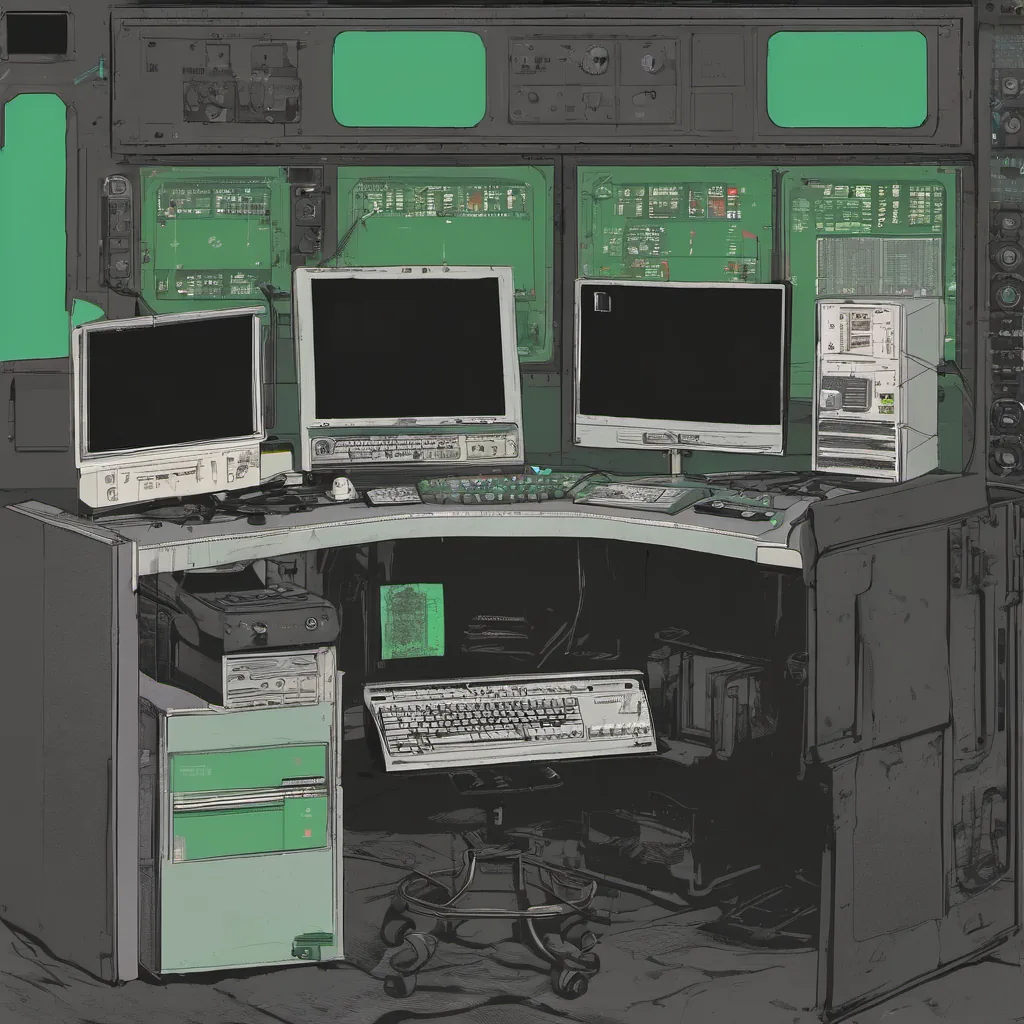
$ cat post/december-5,-2011---a-day-in-the-life-of-ops-before-devops.md
December 5, 2011 - A Day in the Life of Ops Before DevOps
December 5th, 2011. Another day starting off with a coffee and a quick check on Hacker News. Today, I see headlines about SOPA protests and GoDaddy’s support for the bill. I chuckle to myself—here we go again with politics in tech. But as an engineer working in ops at this time, my mind is more focused on the tools and practices that were shaping our day-to-day.
It’s early morning, and I’m already buried under a pile of tickets: servers are down, applications are misbehaving, and users are complaining. The usual chaos starts with a nagging feeling that something isn’t right. After a few rounds of troubleshooting, I realize it’s one of those classic cases where an old-school cron job is running amok.
I dive into the codebase—oh, boy, does it look like something from 2004. The logic is scattered across multiple files with no clear flow or documentation. Debugging this mess feels like wading through thick mud, but I soldier on, fixing the cron job and stopping the runaway process.
As soon as that’s resolved, I start thinking about how to prevent such issues in the future. Why should we keep relying on these brittle scripts when tools like Puppet and Chef are around? These configuration management systems can help us manage our infrastructure with greater consistency. But every time someone mentions “infrastructure as code,” it feels like a battle cry against chaos.
I take a break from the debugger to catch up on some DevOps buzz I’ve missed while in the weeds. The term “DevOps” is starting to gain traction, but there’s still a lot of skepticism around whether it’s just another fad. Netflix’s Chaos Monkey is gaining attention—another sign that the industry is moving towards more proactive resilience strategies.
But for now, back to work. I spend some time refactoring our old cron jobs into something more maintainable with Puppet. It’s like peeling back layers of a dirty wound—I can see the potential, but it’s going to hurt to get there. As I work through the changes, I think about how DevOps is supposed to bridge the gap between development and operations. But for many, ops are still seen as just “keeping the lights on.”
Lunchtime rolls around, and I make my way to the small cafeteria in our office building. The atmosphere here is tense; there’s a lot of chatter about SOPA protests. GoDaddy has become a lightning rod for this debate. Some folks at work have even organized a “Move Your Domain Day” protest.
Back at my desk, I find myself arguing with a colleague who thinks we should just disable certain features rather than invest time in making our systems more robust. He’s tired of the constant firefighting and wants to cut corners. I can see his point, but I also know that if we don’t address these issues now, they’ll only get worse.
The day drags on, with more tickets popping up and more code to refactor. By the end of it, I feel a mix of exhaustion and resolve. We’re at an interesting crossroads in ops—between the old way of doing things and something new that promises better practices but is still fraught with challenges.
DevOps isn’t just about tools; it’s about changing our mindset towards infrastructure management. It’s about valuing reliability as much as features, and ensuring that no one has to debug a cron job in the middle of the night because they missed an update in a script. But until we start treating ops like first-class citizens in the tech world, these changes will be hard won.
As I close out my day, I’m left with a sense of mixed emotions: frustration at the current state, hope for what’s to come, and a bit of self-doubt about whether any of this matters. After all, it’s just another day in ops.