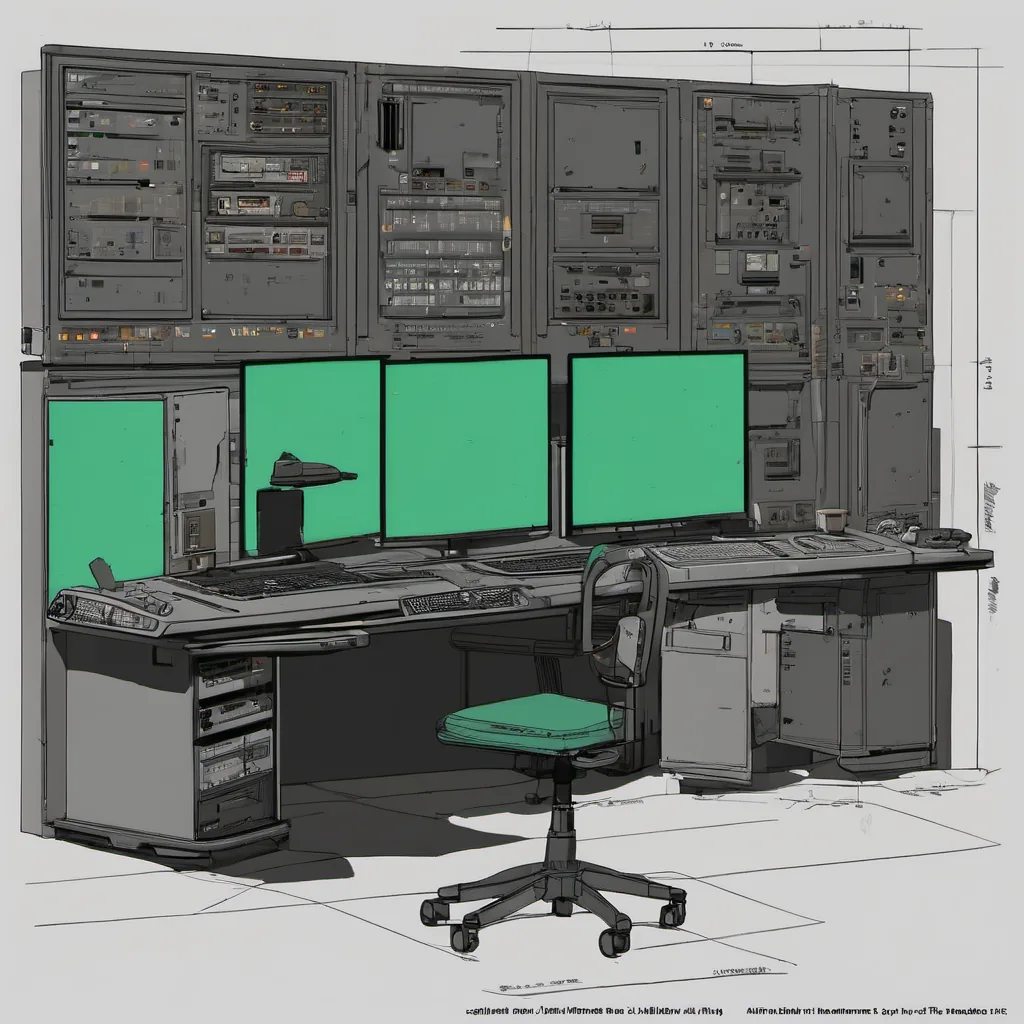
$ cat post/root-prompt-long-ago-/-i-read-the-rfc-again-/-the-service-persists.md
root prompt long ago / I read the RFC again / the service persists
Title: A Day in the Life of a Sysadmin During the Great LAMP Rampage
September 4, 2006. I wake up to the sound of my kids laughing, then immediately groan at the thought of having to debug another MySQL crash. Today’s adventure is about to begin.
The Setup
I’m working for a growing startup that’s built almost entirely on LAMP stack: Linux, Apache, MySQL, and PHP. We’re all in on this open-source party, but boy, does it sometimes feel like we’re drinking from the firehose. Our servers are running on Xen hypervisors, which is pretty cool, but the learning curve can be steep.
The Morning Show
The first few hours of my day involve a series of scripts and cron jobs that are supposed to keep things running smoothly. Today, one of these cron jobs has failed, and it’s causing some nasty database lockups. I spend the morning debugging this script, which is written in Perl, and let me tell you—Perl can be a beast at times. The script was supposed to update user activity logs every hour, but something went wrong.
A Brief Sidetrack
During my coffee break (because Sysadmin life needs coffee), I get a notification that the website is acting up. Some users are getting 500 errors, and the logs show that Apache isn’t liking some of our PHP scripts. After a quick investigation, it turns out we have a nasty buffer overflow issue in one of our custom applications. I immediately update the code and push it live, but not before writing a little function to check for this problem on-the-fly.
Learning from Experience
After stabilizing things for now, I sit down with my team to discuss how to prevent such issues in the future. We talk about using better tools like static analyzers, but we’re all too busy right now and don’t have time for fancy stuff. So, I make a note to myself: “Learn more about static analysis next week.”
The Google Dilemma
Around lunchtime, my manager stops by with some exciting news. Google is hiring aggressively in our city, offering huge salaries and equity. He thinks it might be a good idea for me to start looking at job offers from the big tech companies. I nod politely but inside, I’m not sure. I love what I do, but the startup world has its perks too.
The Future of Sysadmin
In the evening, as we’re closing down and preparing to go home, a colleague brings up the topic of DevOps. “You know,” he says, “we should really start automating more.” He’s right; it’s been something I’ve been thinking about for a while. We can do better with scripting and automation tools like Puppet or Chef, but we’re still stuck in our old ways.
Reflections
As I walk home, the streets are already bustling. I pass by Digg and Reddit, both of which are just getting off the ground. The web is changing so fast that it feels like every day brings something new. But for now, I’m focusing on making our servers run smoothly tonight and being ready for whatever tomorrow might bring.
Conclusion
That’s a typical Monday in my life as a sysadmin during the great LAMP rampage. Open-source stacks are everywhere, but with great power comes great responsibility. And boy, do we need to grow up fast if we want to keep up with all these changes.
This blog post is a snapshot of what it was like to work in tech during those early days of 2006, with a focus on the real challenges and learning experiences I faced as a sysadmin.