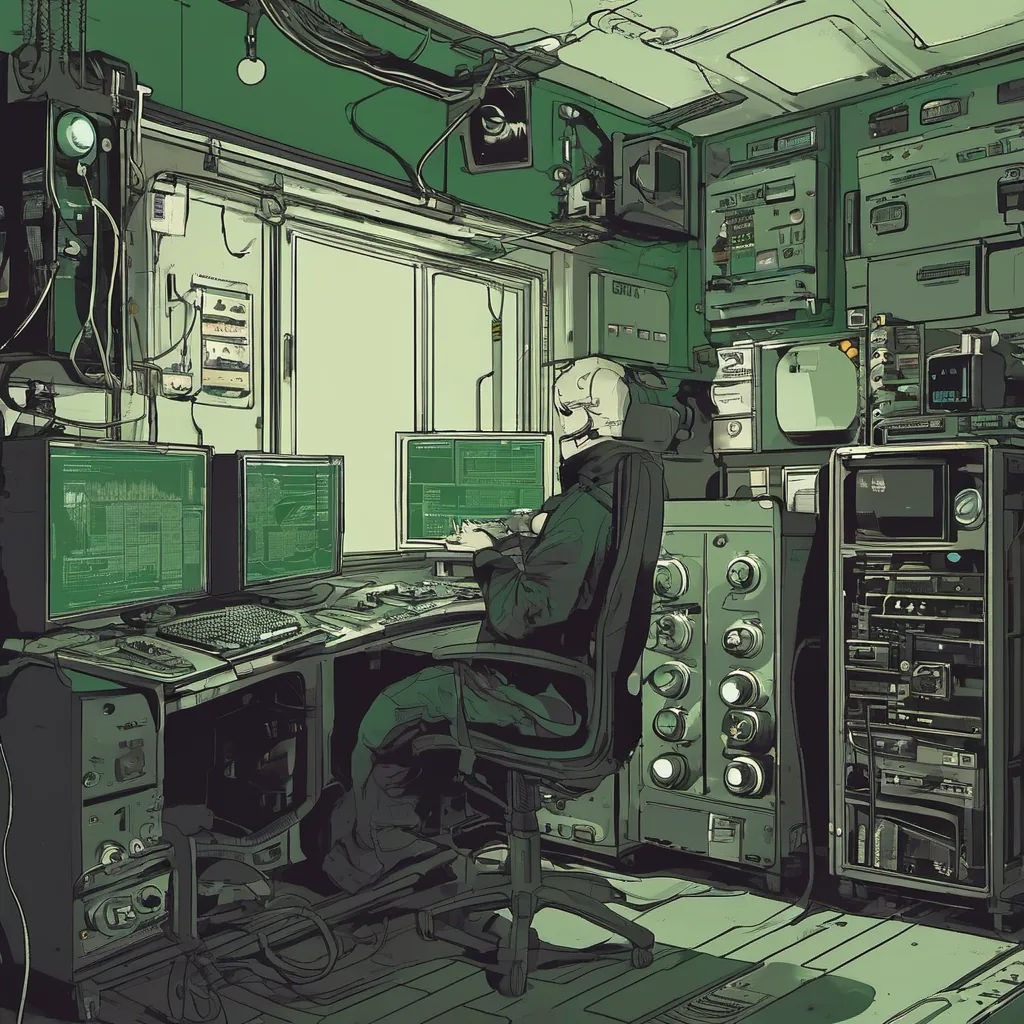
$ cat post/first-commit-pushed-live-/-the-queue-backed-up-in-silence-/-the-deploy-receipt.md
first commit pushed live / the queue backed up in silence / the deploy receipt
Kubernetes, Helm, and the Long Road Ahead
June 4, 2018. The sun is just starting to rise over a Seattle skyline that is as iconic in my mind as it likely is in others’. I’ve just spent the night wrestling with Kubernetes, trying to make sense of its latest iteration while juggling all the other tools and technologies that have been emerging like weeds from the soil of the DevOps world.
It was a restless night. The Kubernetes cluster had decided to stop working again, and I found myself staring at my laptop, trying not to scream into the void. It’s funny how these problems can seem so trivial when you’re in bed with your head on a pillow, but they always feel like insurmountable mountains once you try to climb them.
I had spent the previous day dealing with Helm and its peculiarities. Trying to get a consistent experience across multiple environments—development, staging, production—was proving to be more of a challenge than I’d anticipated. The Helm charts were still in their early days, and the documentation was patchy at best. I found myself digging through GitHub issues, Stack Overflow posts, and countless blog articles trying to find something that worked.
But then it hit me. I’m not alone in this struggle. Just a few hours earlier, I had read one of those HN threads about how Microsoft is acquiring GitHub. The thought crossed my mind: “Why do we keep fighting these battles? Can’t we just use tools that work together seamlessly?” It’s easy to get bogged down in the minutiae and lose sight of why we started using these technologies in the first place.
The other day, I attended a session on GitOps. The term was still relatively new, but the concept resonated deeply with me. In my experience, GitOps is about treating infrastructure as code and ensuring that all changes are versioned, auditable, and repeatable. It’s a way to get away from the manual processes and silos that often plague teams.
But implementing GitOps isn’t just about tooling; it’s about changing the culture of your organization. You need buy-in from everyone—from developers writing apps, to ops people managing infrastructure. That’s why I spent so much time arguing with my team about why we needed a more consistent and automated approach. It wasn’t easy; there were plenty of pushbacks and resistance.
Another part of the challenge was dealing with all the new tools that are being introduced. Istio for service mesh, Envoy as an edge proxy—each one promising to solve a different set of problems but adding another layer of complexity. Terraform 0.x still had some rough edges, but it was slowly improving. It felt like we were in the middle of a tech arms race, with everyone trying to figure out the best way forward.
Tonight, as I work through these issues, I can’t help but think about how far we’ve come and how much further we have to go. Kubernetes is winning the container wars, but it’s clear that the battle isn’t over. Helm and Istio are just two of many tools vying for our attention. Serverless seems like a distant dream right now, with Lambda still in its infancy.
What keeps me going? The thought that one day, things might be simpler. Maybe we’ll have better abstractions, more unified tooling, and less friction between teams. For now, though, I’m just trying to keep the lights on, ship code, and hope for a smoother path tomorrow.
Until then, here’s to another night of wrestling with Kubernetes and hoping that everything works in the morning.
Goodnight.