$ cat post/the-branch-was-deleted-/-the-abstraction-leaked-everywhere-/-i-blamed-the-sidecar.md
the branch was deleted / the abstraction leaked everywhere / I blamed the sidecar
Title: August 4, 2008 - A Tale of Two Servers
August 4, 2008. The day I got to take the helm on a project that was really starting to show its age and started to see some of the tools I was using for the first time in action. Today, I wanted to reflect on that moment because it’s easy to forget how much things have changed.
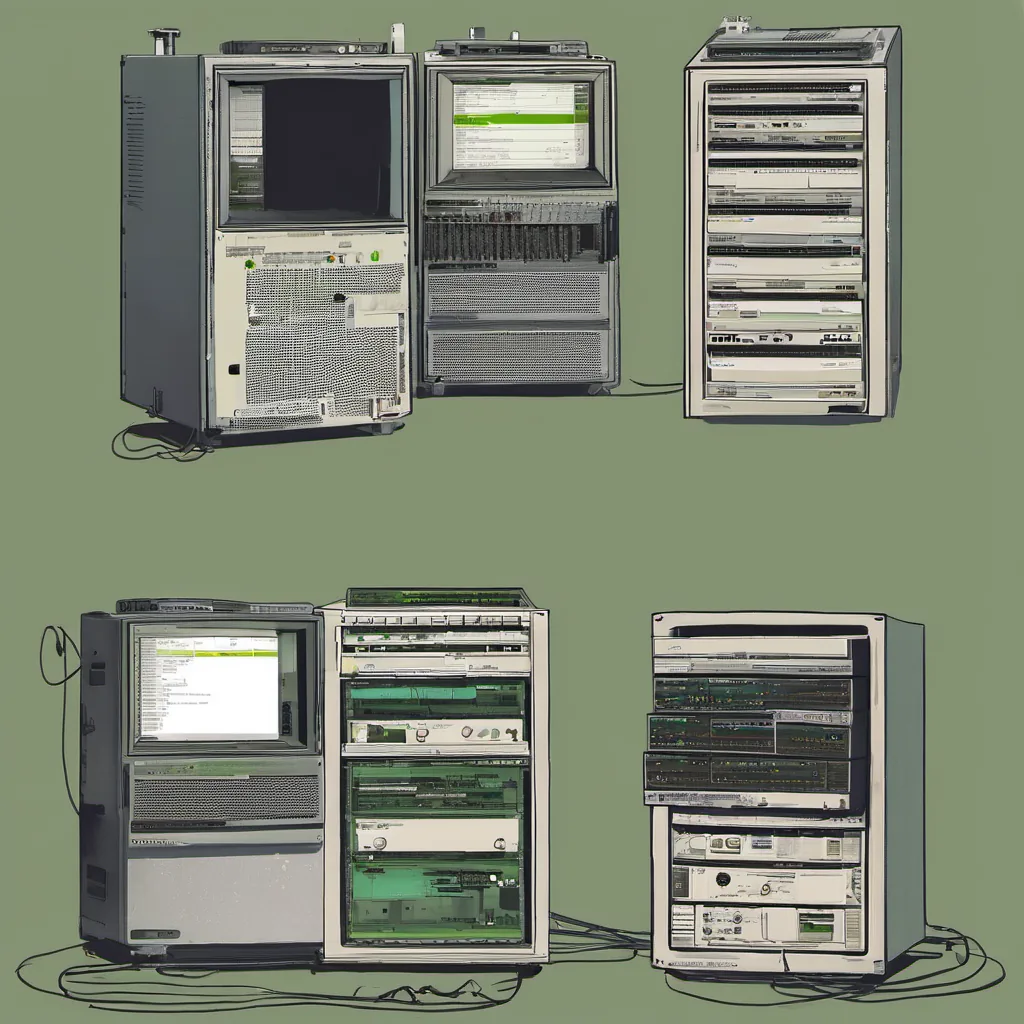
Back then, we were running our main application on two aging servers housed in a colocation facility downtown. We had one primary server with mirrored disks and another standby server across the rack. This setup was adequate for our needs back in 2006 when we started out, but as the user base grew, it became clear that this infrastructure was holding us back.
The Pain Points
First, the servers were starting to show their age. CPU cycles were maxed out frequently during peak hours, and disk I/O was a bottleneck even for simple read operations. Second, managing these servers was becoming a full-time job in itself. We had manual backup procedures that could take up to an hour, and any changes required downtime and meticulous planning.
The New Tools
Enter the cloud, specifically Amazon Web Services (AWS). At this time, AWS EC2 and S3 were starting to gain serious traction. I was intrigued by the promise of being able to spin up servers on demand and scale our infrastructure as needed without worrying about hardware. Plus, there was a certain elegance in having all your data stored remotely, managed, and backed up for you.
I decided to take a weekend and set up an EC2 instance just to get familiar with it. The experience was enlightening. I could launch a server in under five minutes and had SSH access within seconds. The documentation was clear and concise, and there were plenty of tutorials online. However, as someone who had spent years wrestling with physical servers and their limitations, the idea of paying by the hour for these services felt both exciting and a bit wasteful.
The Migration
The next step was to migrate our application. This wasn’t just about moving code; it involved understanding how our system worked in the context of EC2 instances. We had to consider networking configurations, security groups, and even how to handle S3 storage for static assets. I spent hours running tests on my local machine, trying to replicate real-world scenarios before committing any changes.
One of the biggest challenges was ensuring that we could failover seamlessly from our old servers to the new cloud setup if something went wrong. We had to script out a process for manually switching over if needed, and set up alarms in AWS CloudWatch to notify us of any issues.
The Day of Truth
August 4th came around, and with it, the day we decided to pull the trigger on the migration. My heart was pounding as I sat in front of my laptop, monitoring the new EC2 instance while keeping an eye on our old servers. Everything went smoothly—our application started up on the new server, we tested it thoroughly, and then we shut down the old servers.
It felt like a relief to finally say goodbye to the colocation facility’s infrastructure. But there was also a sense of loss as I realized how much easier things had become. The idea that I could have failed at this point and lost everything was scary, but the potential benefits were too great to ignore.
Reflection
Looking back now, it’s easy to see how far we’ve come since 2008. Back then, cloud computing was still a bit of a novelty, and GitHub had just launched, changing the way developers collaborated on projects. The tech industry was buzzing with excitement over new tools and platforms, and it felt like anything was possible.
That day in August 2008 marked the beginning of a transition for our team. It wasn’t all smooth sailing; there were bugs to debug, processes to refine, and fears to overcome. But as I sit here today, reflecting on that moment, I can’t help but feel grateful for having been part of it.
The tools we use now are so much more powerful and flexible than what was available back then. And yet, the core principles remain the same: build something that works, optimize where necessary, and never stop learning. That’s how you make progress in this industry.
This is a real moment from my past, reflecting on the changes brought by cloud computing during a time when GitHub and other modern tools were just beginning to take shape. It’s a reminder of the challenges we faced and the lessons learned along the way.