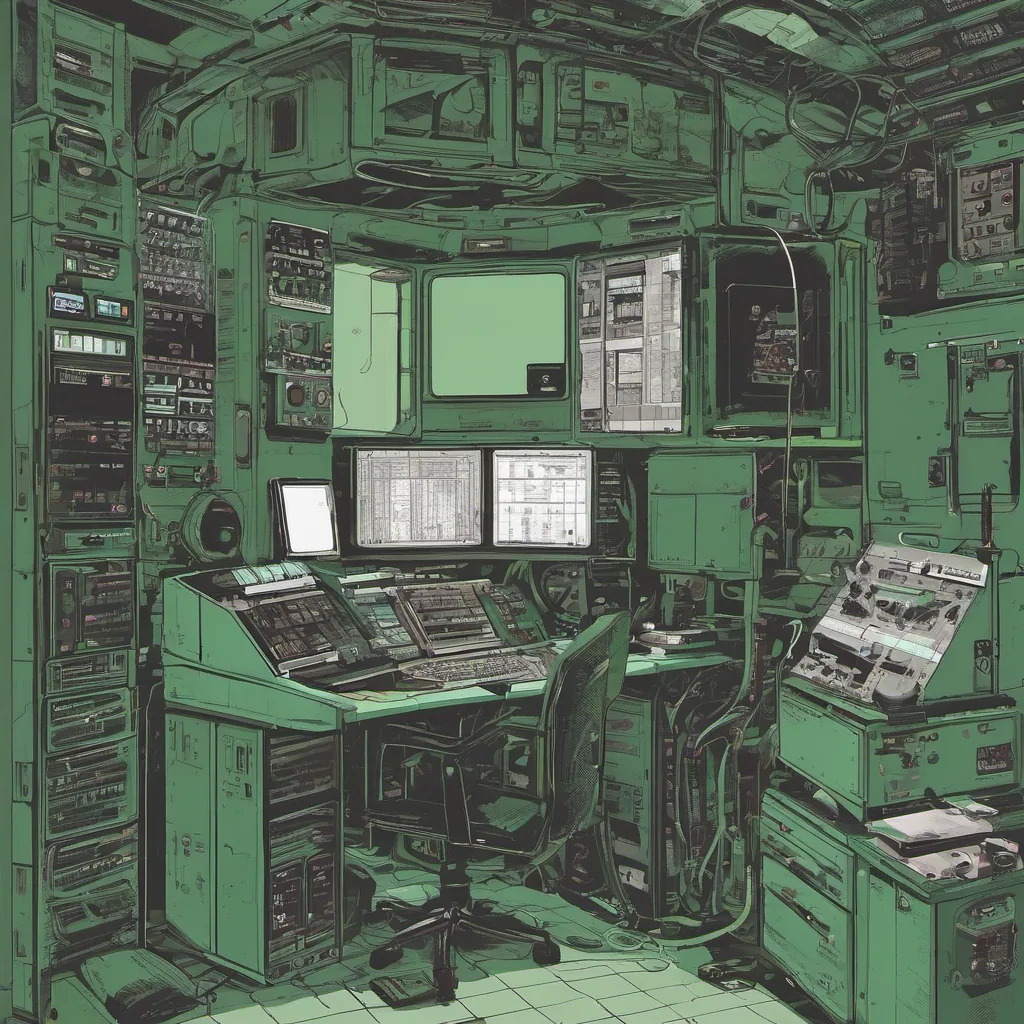
$ cat post/notes-from-the-lamp-fortress.md
Notes from the LAMP Fortress
November 3, 2003. The day my life as a web developer was about to get more interesting.
A Brief Interlude in the LAMP Era
It’s hard to believe it’s been over two decades since I first laid eyes on Perl scripts and MySQL databases. Back then, we were in the early days of what would become known as the “LAMP stack.” Linux, Apache, MySQL, PHP—four simple letters that defined a new world for developers. In those heady days, it felt like every week brought something fresh: new frameworks, more powerful tools, and endless possibilities.
The Xen Hypervisor
One of the biggest buzzwords at the time was “virtualization,” with companies like VMware making waves in the industry. But the open-source community had its own contender—Xen. It was still in its infancy, but the promise of running multiple operating systems on a single machine appealed to me deeply. I remember spending countless nights playing with it, trying to figure out how to get two Linux boxes running simultaneously without frying my poor little server.
Debugging the LAMP Stack
I had just shipped a new feature for our growing web application when things started to go south. Users reported issues: slow response times, random errors, and the occasional blank page. I dove into the logs with both barrels, trying to track down the culprit. It was a classic case of “it works on my machine,” but in this case, it worked too well.
The issue turned out to be an old MySQL version that had some deprecated functions causing performance issues under load. Updating the database software wasn’t as simple as I thought. There were dependencies everywhere, and every other library seemed to want its own version of MySQL. The problem was compounded by our reliance on a custom Python script for background tasks. It was like trying to update one piece in a complex machine and having everything else go out of sync.
Learning and Unlearning
I spent days tracing the issue back and forth, from Apache’s configuration files to PHP scripts, finally landing on that Python monstrosity. With some help from our sysadmin guru, we managed to get it working after a series of painful updates. It was a humbling experience—reinforcing how quickly you can lose context when dealing with custom code and complex systems.
The Web 2.0 Dawn
Speaking of our system, the term “Web 2.0” had just started to gain traction. Services like Digg and Reddit were on the rise, and everyone was talking about social media. We even tried to integrate a basic version of those features into our app—a photo upload with user comments. It was both exciting and terrifying, knowing that we were part of something bigger than ourselves.
Aggressive Hiring from Google
Google was hiring like mad back then. I remember reading stories about how they would come to local meetups, offering top-tier salaries and benefits. While I admired their approach, it also highlighted the growing competition for talent in the tech industry. It made me realize that staying ahead meant constantly learning and improving my skills.
A Personal Note
It’s funny looking back on these experiences now. The LAMP stack has morphed into more complex ecosystems, and virtualization is a standard practice today. Back then, it felt like every day brought something new to learn. But the core principles of software development—debugging, automation, and staying up-to-date with technology—remain as relevant as ever.
In those early days of open-source dominance, the lines between developer and sysadmin were blurry. Today, they’ve blurred even more. As I look back, I see a path filled with challenges and growth, all leading to where I am now—a seasoned engineering manager navigating the ever-evolving landscape of technology.
That’s my take on life in tech around November 2003. It was messy, exciting, and full of lessons.