$ cat post/a-diff-i-once-wrote-/-a-midnight-pager-i-still-hear-/-i-left-a-comment.md
a diff I once wrote / a midnight pager I still hear / I left a comment
From Debugging Hell to Zen: My Month with the LAMP Stack
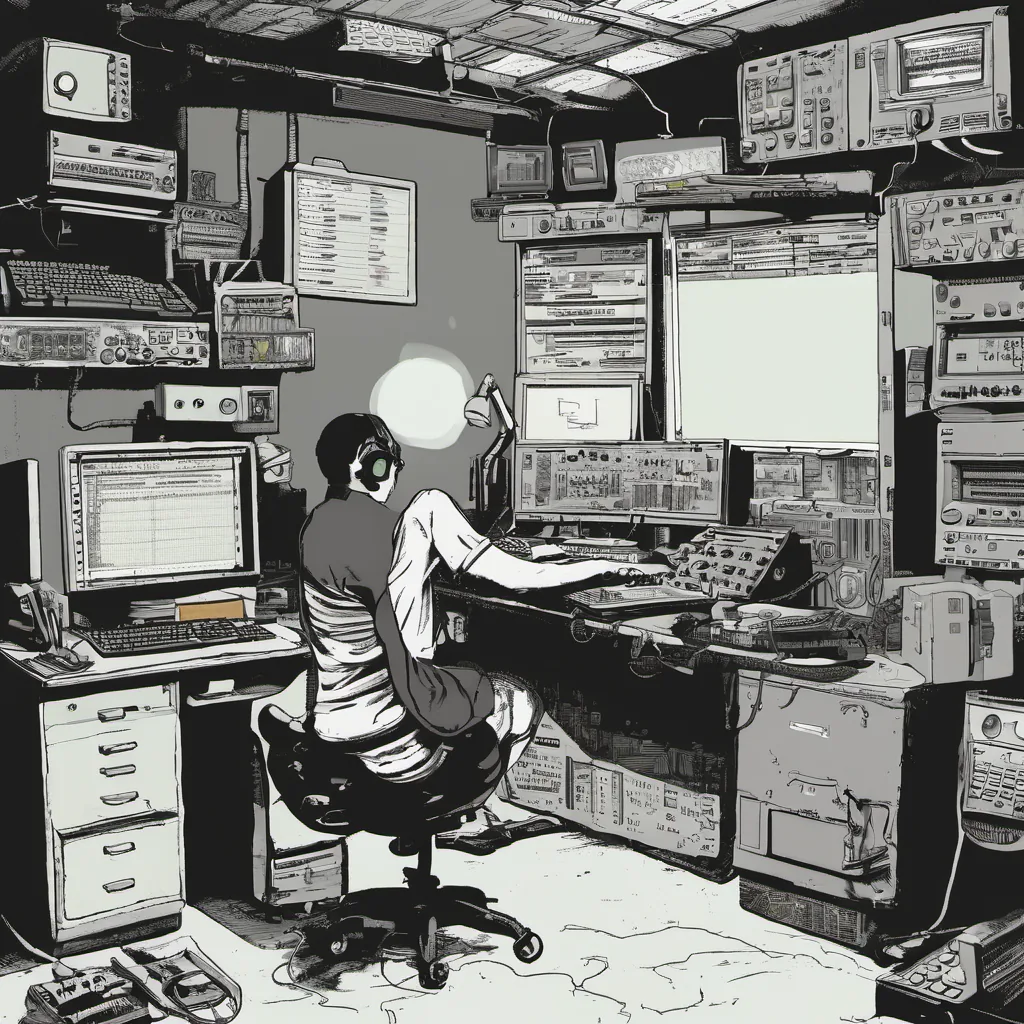
June 2003 was a month of intense debugging sessions and code refactorings. The sun-kissed days at my desk were filled with the rhythmic clicking of keyboards and the occasional clunk of the old Dell mouse as I poked around in PHP scripts and Apache configuration files. It felt like the whole world was shifting—open-source stacks were rising, Google was hiring aggressively, and Firefox was just a few weeks away from its launch.
The Setup
Back then, my team was running a LAMP stack (Linux, Apache, MySQL, Perl), with a sprinkle of PHP for the front end. Our application was handling a growing number of users, and it wasn’t quite ready for prime time. We were experiencing some painful performance issues, especially during peak hours when the servers would grind to a halt.
One day, we hit a wall—a critical service went down, and our monitoring tools couldn’t even see what was going on. I found myself in the midst of a long night, trying to untangle a mess of scripts that had grown unwieldy over time. Perl scripts for cron jobs, PHP files calling MySQL procedures—everywhere you looked, it was a tangled web.
Debugging the Monster
I started by setting up a local environment on my Mac Mini (back when a G4 with 512MB of RAM was cutting edge). I needed to reproduce the issue and understand what was causing the servers to choke. After hours of stepping through code, it became clear that our MySQL queries were not optimized for large datasets. We had a few scripts running every hour, generating a massive amount of data without proper indexing.
I remember the moment of revelation when I realized we needed to split these operations into smaller chunks and index key fields. It was like cutting down a giant tree—painful but necessary. The initial change was brutal; we were essentially rewriting parts of our application from scratch.
A New Dawn with Xen
As the night turned into day, I had an epiphany: virtualization could be our savior. At work, we had been hearing about Xen and how it promised to revolutionize server management. With Xen, we could easily scale resources without needing more physical hardware. So, after a long debate (and some gentle prodding from the tech-savvy), I started setting up Xen on our servers.
The first few tests were rocky. We had a bit of a learning curve, but once we got past the initial setup, it was amazing to see how easily we could allocate resources and manage VMs. It felt like a breath of fresh air compared to managing physical machines.
The Zen Moment
By mid-June, we had managed to get everything working smoothly. Our application now handled more users with ease, and our server load was significantly reduced. Debugging those scripts taught me that sometimes the simplest solutions are hidden in plain sight—if only you can untangle the mess. And while Xen wasn’t a panacea for all our problems, it certainly helped us take a step forward.
As I sat back, sipping my morning coffee, I felt a sense of satisfaction. It was one of those moments where the hard work paid off, and I could finally breathe. The tech world was moving fast, but in this little corner of it, we had managed to keep up and even make some progress.
Conclusion
2003 wasn’t just about coding; it was a period of rapid change and personal growth. From wrestling with LAMP scripts to learning Xen, each challenge brought its own lessons. If you ever find yourself knee-deep in a messy codebase or grappling with complex infrastructure, remember that sometimes the solution is right there, waiting for you to untangle the web.
If only I had known then how much more would change in the years ahead—how Web 2.0 would take off, and Firefox would become a daily driver. But for now, it was just another day in the life of a sysadmin trying to keep things running smoothly.
That’s my journal entry from June 2, 2003. Hope you found it interesting!